
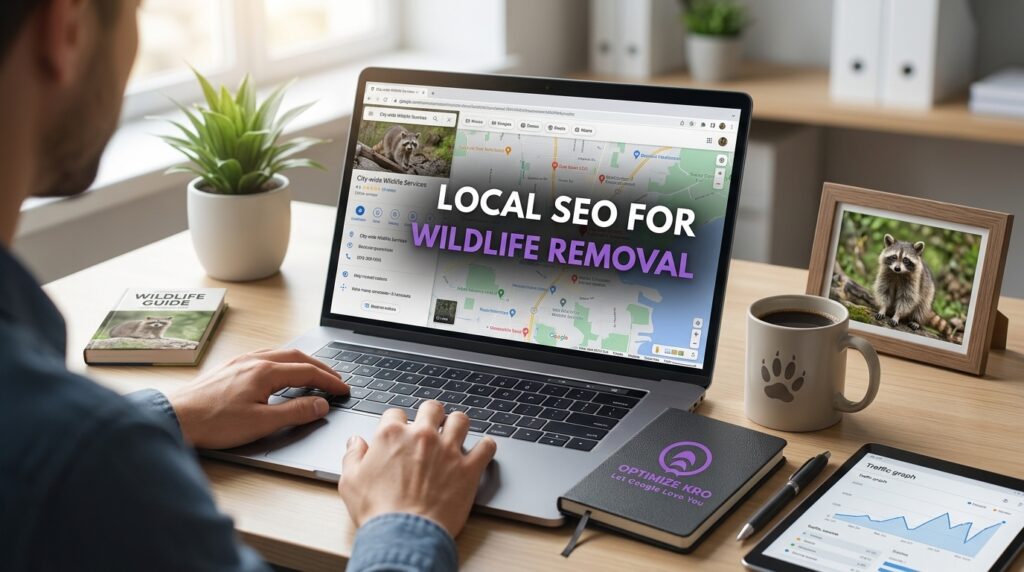
Wildlife removal SEO is a specialized digital marketing strategy designed to help wildlife removal companies rank higher in Google search results, local maps, and AI-powered search experiences. Whether you offer animal control, humane wildlife relocation, or emergency removal services, strong SEO ensures your business appears exactly when customers are searching for help.
SEO for wildlife removal focuses on targeting high-intent local keywords, optimizing service and location pages, improving Google Business Profile visibility, and building trust through reviews, Schema markup,Local Citations and authority content. A professional wildlife removal SEO company or SEO agency for wildlife removal understands the urgency-driven nature of this industry and builds strategies that generate phone calls, leads, and booked jobs — not just traffic.
From SEO management for wildlife removal companies to content optimization for wildlife blogs and niche tours, the goal remains the same: dominate local search, outrank competitors, and establish long-term online visibility. With the right wildlife removal SEO services, businesses can grow consistently, attract qualified leads, and stay ahead in an increasingly competitive market.

- Wildlife SEO Fundamentals
- What is SEO for Wildlife Websites
- Why SEO Matters for Wildlife Conservation
- SEO Goals for Wildlife NGOs & Organizations
- Ethical SEO Practices for Conservation Websites
- SEO Challenges in the Wildlife Niche
- Keyword Research for Wildlife SEO
- Wildlife Keyword Research Strategy
- Informational vs Educational Keywords
- Species-Based Keywords
- Habitat-Based Keywords
- Conservation & Environmental Keywords
- Long-Tail Keywords for Wildlife Education
- Seasonal Wildlife Keywords
- Global vs Local Wildlife Keywords
- Search Intent Mapping for Wildlife Content
- On-Page SEO for Wildlife Websites
- Wildlife-Friendly Title Tags & Meta Descriptions
- Optimizing H1–H6 for Conservation Topics
- SEO-Friendly Wildlife Content Structure
- Internal Linking for Wildlife Topics
- Image SEO for Wildlife Photography
- Alt Text Optimization for Animal Images
- Schema Markup for Wildlife Content
- URL Structure for Species & Habitat Pages
- What Our Clients Say
- Content SEO for Wildlife
- Technical SEO for Wildlife Websites
- Local SEO for Wildlife Organizations
- Link Building for Wildlife Websites
- SEO Questions for Wildlife Websites
- Creative Local SEO Service Links
Wildlife SEO Fundamentals
A strategic SEO foundation designed to increase visibility, awareness, and impact for wildlife conservation websites.
What is SEO for Wildlife Websites
SEO for wildlife websites is the process of optimizing conservation-focused content so it ranks higher in search engines, reaches the right audience, and drives meaningful engagement. Unlike commercial SEO, wildlife SEO prioritizes education, awareness, and advocacy over direct sales.
This includes optimizing educational resources, conservation campaigns, species pages, donation pages, and research content to ensure people searching for wildlife-related information can easily find trustworthy and authoritative sources.
Why SEO Matters for Wildlife Conservation
Search engines are often the first place people turn to when learning about endangered species, environmental threats, or conservation efforts. Strong SEO ensures your mission reaches educators, donors, researchers, volunteers, and policymakers at the right moment.
- Increases awareness for endangered species and habitats
- Drives organic traffic to educational and advocacy content
- Supports fundraising and donation campaigns organically
- Builds long-term digital authority for conservation causes
SEO Goals for Wildlife NGOs & Organizations
Wildlife NGOs and conservation organizations have unique SEO goals that go beyond traditional rankings. The primary objective is impact, not just traffic.
- Rank for educational and research-based wildlife keywords
- Increase trust and credibility through authoritative content
- Attract donors, partners, and volunteers organically
- Promote conservation campaigns and initiatives globally
- Ensure long-term discoverability of evergreen resources
Ethical SEO Practices for Conservation Websites
Ethical SEO is critical in the wildlife niche. Conservation websites must maintain transparency, accuracy, and responsibility while optimizing for search engines.
- Use factual, science-backed information only
- Avoid clickbait or misleading headlines
- Respect sensitive wildlife locations and data
- Credit researchers, photographers, and organizations
- Focus on education and conservation impact over manipulation
SEO Challenges in the Wildlife Niche
Wildlife and conservation SEO faces unique challenges that require thoughtful strategy and patience.
- Highly competitive informational keywords
- Limited budgets compared to commercial industries
- Balancing scientific accuracy with user-friendly language
- Low search volume for rare species topics
- Maintaining freshness in evergreen educational content
Overcoming these challenges requires consistent content updates, strong internal linking, ethical link-building, and a long-term SEO vision.
Keyword Research for Wildlife SEO
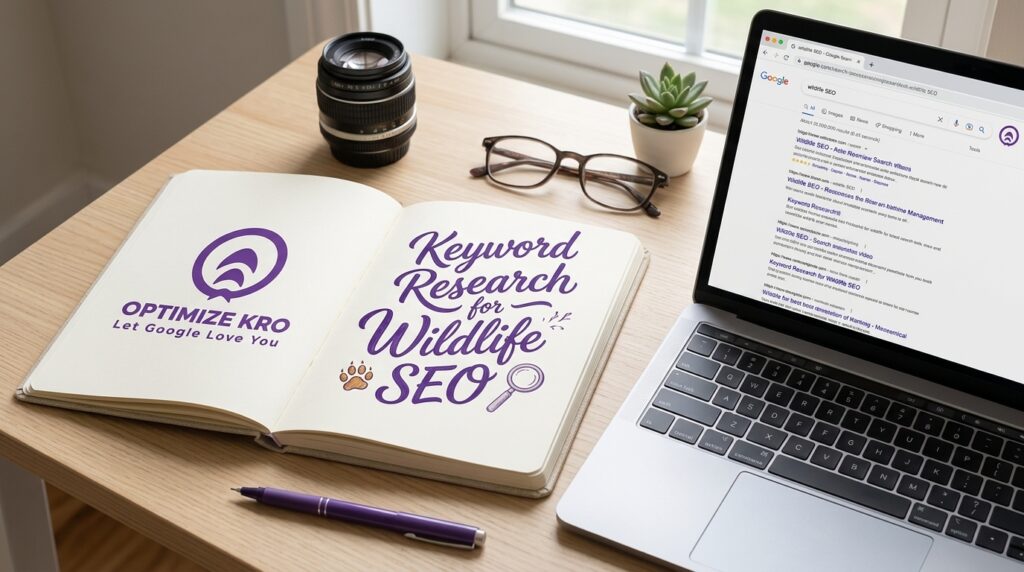
A focused keyword research approach that helps wildlife and conservation websites reach the right audience with meaningful, educational content.
Wildlife Keyword Research Strategy
Wildlife keyword research is centered on understanding how people search for animals, habitats, and conservation topics. The strategy focuses on relevance, education, and awareness rather than commercial intent.
Informational vs Educational Keywords
Informational keywords answer quick questions, while educational keywords support deeper learning. A balanced mix helps attract both casual readers and serious researchers.
Species-Based Keywords
These keywords focus on specific animals, birds, and marine life. They are ideal for species profiles, facts, threats, and conservation status pages.
Habitat-Based Keywords
Habitat-based keywords target ecosystems such as forests, oceans, deserts, and wetlands, helping users understand biodiversity, climate impact, and preservation efforts.
Conservation & Environmental Keywords
These keywords focus on protection, sustainability, climate change, and wildlife conservation initiatives, supporting advocacy and awareness campaigns.
Long-Tail Keywords for Wildlife Education
Long-tail keywords capture specific search intent and are easier to rank for. They work well for guides, FAQs, research articles, and educational blogs.
Seasonal Wildlife Keywords
Seasonal trends such as migration periods, breeding seasons, or wildlife awareness days help create timely content that gains short-term visibility.
Global vs Local Wildlife Keywords
Global keywords attract international audiences, while local keywords focus on region-specific species, habitats, and conservation projects.
Search Intent Mapping for Wildlife Content
Mapping keywords to search intent ensures each page matches user expectations, whether the goal is learning, awareness, research, or conservation support.
On-Page SEO for Wildlife Websites
Purpose-driven on-page SEO techniques designed to improve visibility, usability, and educational impact for wildlife and conservation platforms.
Wildlife-Friendly Title Tags & Meta Descriptions
Craft clear, ethical, and informative titles that highlight species, habitats, or conservation goals while encouraging organic click-throughs.
Optimizing H1–H6 for Conservation Topics
Use structured headings to guide readers through animal facts, threats, and preservation efforts while improving content clarity for search engines.
SEO-Friendly Wildlife Content Structure
Organize content using short sections, bullet points, and educational flow to support better readability and deeper user engagement.
Internal Linking for Wildlife Topics
Connect species pages, habitat guides, and conservation articles to create a strong topical network that boosts authority and discovery.
Image SEO for Wildlife Photography
Optimize high-quality wildlife images for performance and relevance without compromising visual storytelling or ethical standards.
Alt Text Optimization for Animal Images
Write descriptive, factual alt text that improves accessibility and helps search engines understand animal imagery accurately.
Schema Markup for Wildlife Content
Apply structured data to species profiles, educational articles, and events to enhance search visibility and rich results.
URL Structure for Species & Habitat Pages
Use clean, descriptive URLs that reflect taxonomy, habitats, and conservation topics for better indexing and user trust.
What Our Clients Say
Trusted by contractors and local businesses who want real visibility, real calls, and real growth from Local SEO.
“These guys completely transformed my Google Maps presence. I’m getting **more calls, more local leads, and stronger visibility** than ever before. Finally feels like SEO that actually works.”
General Contractor
“In just **3 months**, my roofing business moved from page 3 to the **top 3 local listings**. Calls started coming in consistently, and my calendar filled up fast. I confidently recommend their Local SEO service.”
Roofing Business Owner
“Affordable, transparent, and extremely effective. My plumbing service calls **doubled in under 90 days**. This is hands-down one of the best SEO investments I’ve made.”
Plumbing Services
Content SEO for Wildlife
A content-first SEO framework that educates, inspires, and drives long-term visibility for wildlife and conservation-focused websites.
Wildlife Educational Content Strategy
Focus on creating structured educational resources that explain wildlife topics clearly while aligning with real search behavior and learning intent.
Species Profiles SEO
Optimize species pages with taxonomy, habitat, threats, and conservation status to become authoritative reference sources.
Endangered Species Content Optimization
Highlight urgency and protection efforts using accurate data while maintaining ethical storytelling and SEO structure.
Wildlife Blog SEO
Blogs support topical authority by covering trends, FAQs, conservation stories, and educational updates in a search-friendly format.
Conservation Research Content SEO
Transform research papers into accessible content without losing scientific integrity or credibility.
Wildlife News & Updates SEO
Optimize time-sensitive news while building internal links to evergreen species and conservation resources.
Storytelling SEO for Wildlife Awareness
Use narrative-driven content to emotionally connect with readers while maintaining SEO best practices.
Scientific Content SEO (Readable & Search-Friendly)
Balance technical accuracy with simple language to make scientific wildlife content understandable and discoverable.
Evergreen Wildlife Content Strategy
Create timeless content that remains relevant through regular updates, internal linking, and factual accuracy.
Technical SEO for Wildlife Websites
A performance-focused technical SEO framework built for image-rich, educational, and conservation-driven wildlife websites.
Website Speed Optimization (Image-Heavy Sites)
Wildlife sites rely heavily on photography and media. Optimizing image formats, lazy loading, and caching ensures fast performance without sacrificing visual impact.
Mobile SEO for Wildlife Websites
Mobile-friendly layouts ensure educational content, galleries, and research materials load seamlessly across all devices and screen sizes.
Core Web Vitals for Wildlife Sites
Optimizing LCP, CLS, and INP improves user experience and search performance, especially for visually rich conservation websites.
Crawlability & Indexing
Clear site architecture, logical internal linking, and clean code help search engines efficiently discover and index wildlife content.
XML Sitemap for Wildlife Content
Structured XML sitemaps ensure species pages, habitats, blogs, and research articles are properly indexed and updated.
Robots.txt for Media-Heavy Pages
Robots.txt helps control crawler access to large media files while prioritizing valuable educational and conservation pages.
HTTPS & Website Security
Secure websites protect user trust, donor data, and research materials while meeting modern search engine requirements.
Structured Data for Articles & Media
Schema markup enhances visibility for wildlife articles, videos, and educational resources in rich search results.
Accessibility SEO for Wildlife Education
Accessible design ensures wildlife content is usable for all audiences, improving SEO while supporting inclusive education and awareness.
Local SEO for Wildlife Organizations
A location-focused SEO approach that helps wildlife organizations, sanctuaries, and conservation centers connect with nearby communities, visitors, and supporters.
Local SEO for Wildlife Sanctuaries
Optimize sanctuary websites to appear in local search results for visitors, volunteers, and donors seeking nearby conservation experiences.
Google Business Profile for Zoos & Reserves
A fully optimized profile improves map visibility, directions, calls, and visitor trust for zoos and wildlife reserves.
Local Citations for Wildlife Centers
Consistent listings across directories, tourism boards, and conservation platforms strengthen local authority and accuracy.
Wildlife Tourism SEO
Target travel-intent keywords to attract eco-tourists, researchers, and educational groups searching for wildlife experiences.
Location Pages for National Parks
Create dedicated location pages with park details, wildlife highlights, directions, and local relevance signals.
Reviews & Reputation Management
Positive visitor reviews build trust, influence travel decisions, and strengthen local SEO performance.
Local Wildlife Event SEO
Optimize events such as guided tours, conservation workshops, and awareness days to attract local audiences through search.
Link Building for Wildlife Websites
A trust-driven, ethical link building framework designed to grow authority for wildlife, conservation, and environmental organizations.
Ethical Link Building for Conservation
Ethical link building focuses on credibility, transparency, and mission alignment, ensuring backlinks support conservation goals without manipulation.
Backlinks from Environmental Websites
Links from environmental blogs, conservation platforms, and sustainability websites signal topical authority and trust.
University & Research Institute Links
Academic backlinks add exceptional credibility and support E-E-A-T signals for wildlife education and research content.
NGO & Government Backlinks
Links from NGOs and government portals strengthen legitimacy and demonstrate real-world conservation involvement.
Wildlife Guest Blogging
Guest articles on wildlife and environmental platforms help spread awareness while earning relevant editorial links.
Digital PR for Wildlife Campaigns
Strategic PR outreach around conservation campaigns attracts media mentions, natural backlinks, and public engagement.
Broken Link Building for Wildlife Resources
Identify broken conservation links and replace them with accurate, updated wildlife resources that provide real value.
SEO Questions for Wildlife Websites
Wildlife SEO focuses on optimizing conservation and educational websites so people can easily find information about animals, habitats, and environmental protection through search engines.
SEO helps wildlife organizations reach educators, donors, researchers, volunteers, and the public by improving visibility for conservation-related searches.
Yes. Ethical SEO based on accurate information, accessibility, and trusted backlinks builds long-term authority without harming credibility.
Creative Local SEO Service Links
Explore our high-converting local SEO solutions designed for service businesses that want better rankings, stronger visibility, and more qualified local leads.

Gulfam Qamar is a seasoned Local SEO expert with a proven track record of helping businesses boost their online visibility and dominate local search results. With deep expertise in Google Business Profiles, on-page optimization, and local citation strategies, Gulfam helps brands connect with nearby customers and grow sustainably. When he’s not optimizing websites, he’s sharing actionable SEO tips and insights to empower small businesses in the digital space.