
Keyword Research for PPC That Brings Real Leads
Strong PPC keyword research starts with finding search terms that can bring real clicks, leads, calls, and sales — not just traffic.
Keyword research for PPC is the process of finding the right keywords to target in paid advertising campaigns. These keywords decide when your ads appear, who sees them, and how relevant your traffic will be.
A strong PPC keyword strategy focuses on search intent, competition, cost-per-click, location, and conversion potential. Unlike SEO keyword research, PPC keyword research needs more careful budget control because every click costs money.
That means businesses should focus on high-intent keywords that show buying interest, such as service keywords, product keywords, local keywords, branded keywords, and problem-based searches.
What a Strong PPC Keyword Strategy Should Focus On
- 1 High-intent keywords that show buying or lead-generation intent.
- 2 Search terms with strong conversion potential, not just high search volume.
- 3 Cost-per-click and competition analysis to protect your ad budget.
- 4 Local, branded, service, product, and problem-based keyword targeting.
- 5 Negative keywords to reduce irrelevant clicks and wasted spend.
How to Do Keyword Research for PPC in 5 Steps
PPC keyword research is not just about finding high-volume keywords. It is about finding the right search terms that match your campaign goal, attract qualified clicks, and help turn ad spend into leads, calls, sales, or bookings.
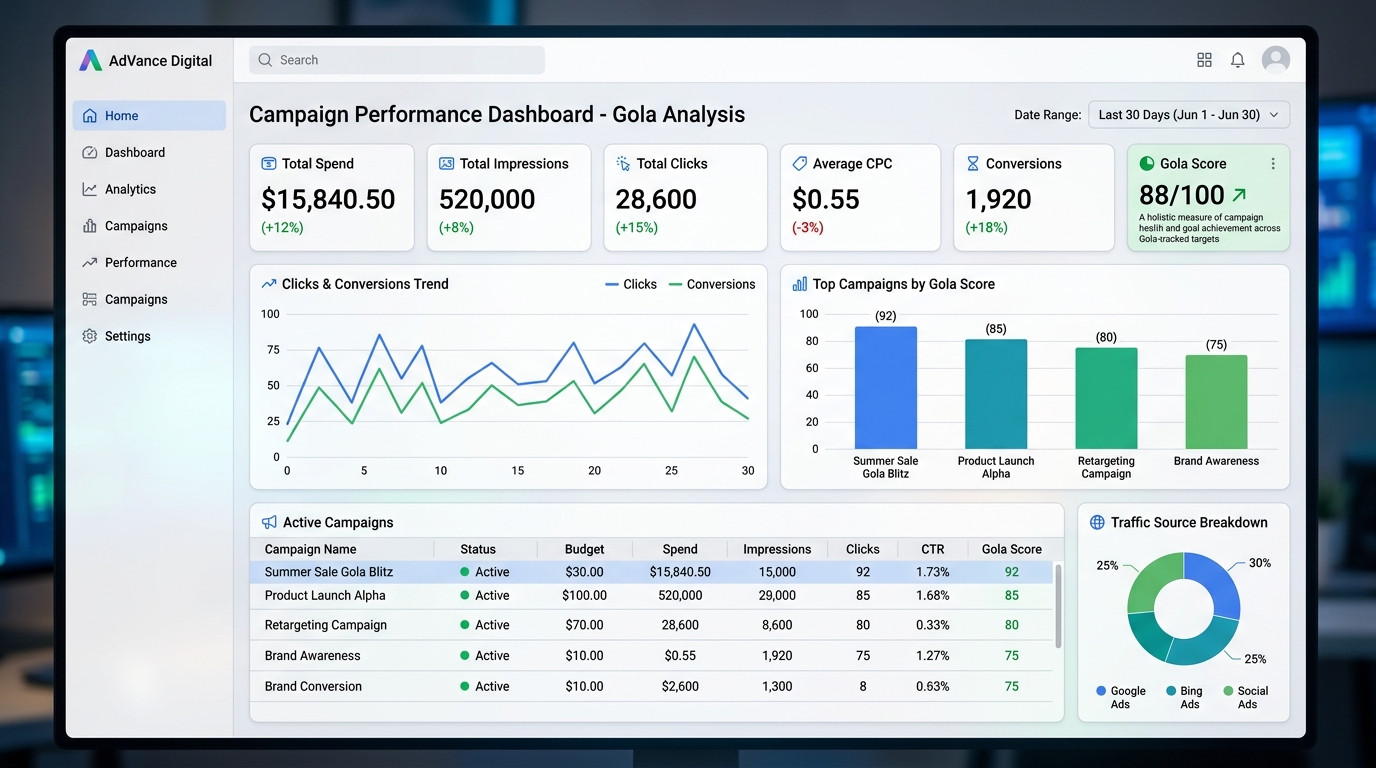
Start With Your Campaign Goal
Before selecting keywords, first define what you want the PPC campaign to achieve. Your goal may be phone calls, form submissions, online purchases, quote requests, demo bookings, app installs, or store visits.
This step is important because every campaign goal needs a different keyword strategy. For example, lead generation campaigns should focus on commercial-intent terms such as “PPC advertising services,” “Google Ads management,” or “PPC agency near me.”
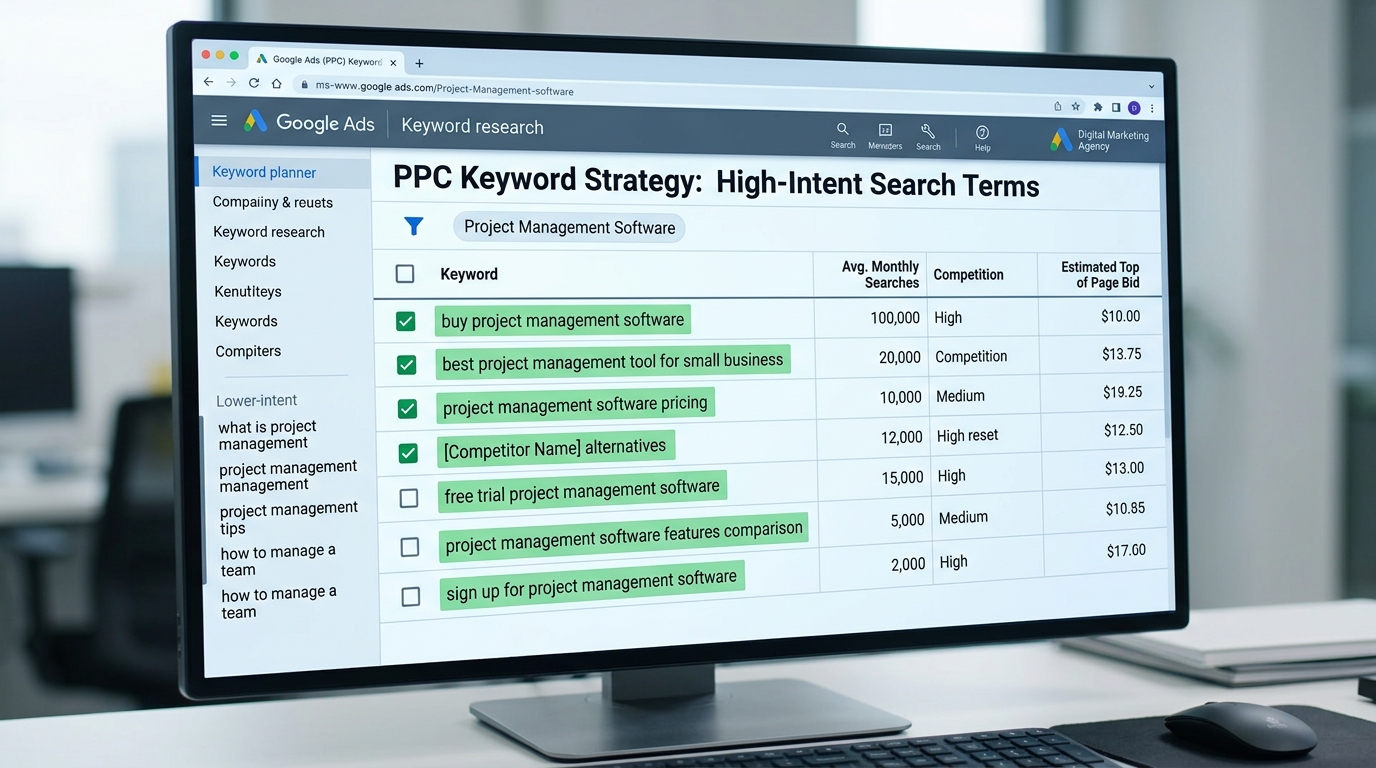
Find High-Intent Keywords
High-intent keywords are search terms used by people who are closer to taking action. These keywords usually include words like services, company, agency, pricing, near me, hire, best, management, consultant, or quote.
For PPC, high-intent keywords are usually more valuable because every click costs money. A keyword like “PPC advertising services” is more likely to bring a potential client than a broad keyword like “what is PPC.”
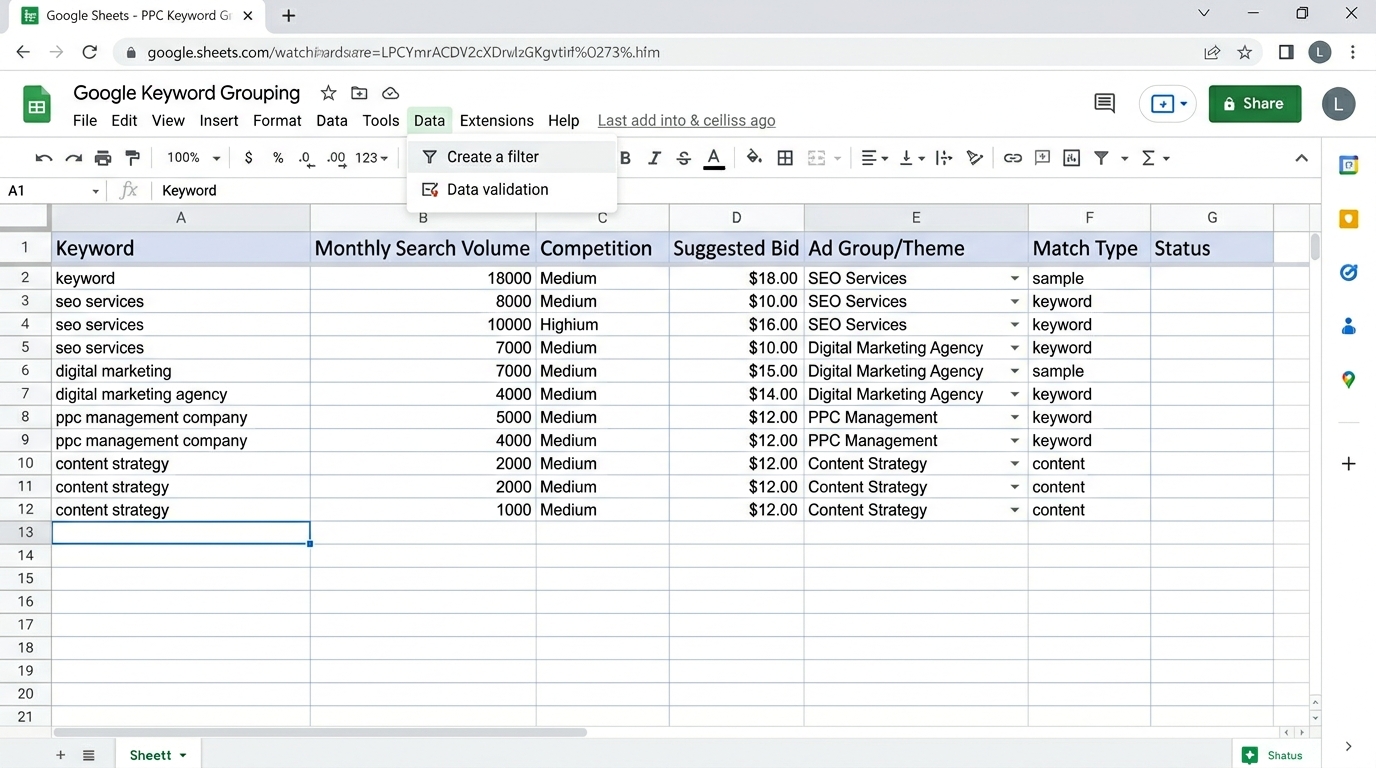
Group Keywords by Theme
After collecting keyword ideas, organize them into small and focused groups. Each group should be based on a specific service, product, location, or customer need.
Instead of putting all PPC keywords in one campaign, you can create separate groups for PPC management, Google Ads services, PPC audit, local PPC advertising, eCommerce PPC, and Amazon PPC advertising.
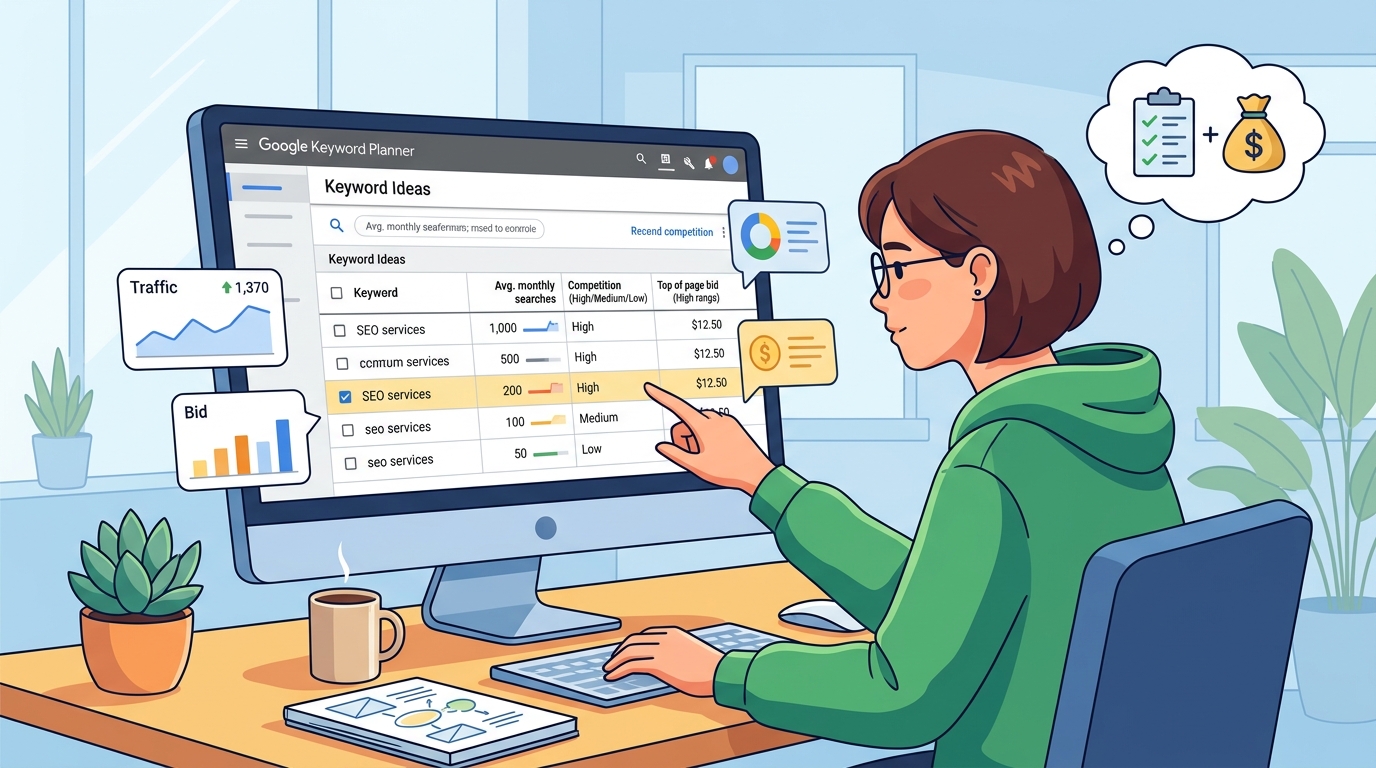
Check Cost, Competition, and Search Volume
Before finalizing keywords, review important PPC metrics such as estimated cost-per-click, search volume, competition level, and conversion potential.
A keyword may have high search volume, but if it is too broad or too expensive, it may not produce profitable results. Sometimes a lower-volume keyword can perform better because the searcher is more ready to convert.
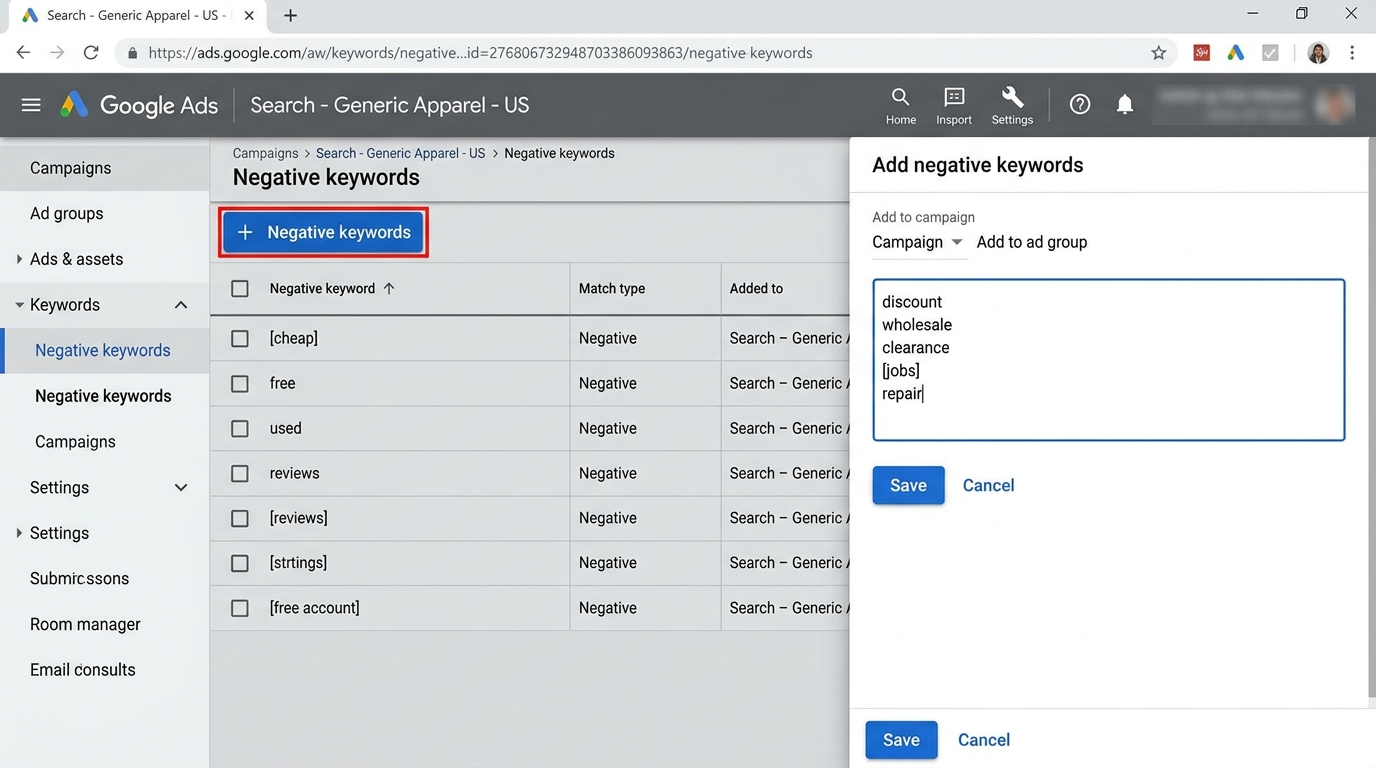
Add Negative Keywords and Review Search Terms
Negative keywords stop ads from showing for irrelevant searches and help protect the budget. Common negative keywords include free, jobs, salary, course, training, template, PDF, DIY, meaning, definition, examples, and cheap.
After the campaign starts, review the search terms report regularly. This report shows the real searches people typed before clicking your ads.
Need Better PPC Keywords That Convert?
OptimizeKro builds PPC keyword strategies around search intent, campaign goals, landing page relevance, and lead quality — so your ad budget works smarter.
Get PPC Strategy HelpBest Tools for PPC Keyword Research
The right PPC keyword research tools help you find high-intent keywords, check cost-per-click, analyze competitors, discover negative keywords, and build campaigns around real conversion potential.
Google Keyword Planner
Google Keyword Planner is one of the most important tools for PPC keyword research. It helps advertisers find keyword ideas, view estimated search volume, check competition, and understand possible costs for Google Ads campaigns. It is especially useful because the data comes directly from Google Ads.
Visit Google Keyword PlannerSemrush
Semrush is useful for PPC keyword research, competitor analysis, ad copy research, and campaign planning. Its PPC Keyword Tool can help organize keywords into ad groups, remove duplicates, and prepare campaigns for Google Ads. It is also helpful for seeing what competitors are targeting in paid search.
Explore Semrush for PPC ResearchAhrefs
Ahrefs can help with PPC research by showing paid keywords, competitor ad keywords, paid traffic estimates, and ad copy examples. This is useful when you want to understand which keywords competitors are already bidding on and which ones may have commercial value.
Review Ahrefs Paid Keyword DataKeywordTool.io
KeywordTool.io is helpful for finding long-tail keyword ideas from Google, YouTube, Amazon, Bing, and other platforms. It can be useful when you need more keyword variations, question-based searches, and platform-specific keyword ideas.
Google Search Terms Report
The Google Ads Search Terms Report is important after a campaign starts running. It shows the real searches people used before clicking your ads. This helps you find new keyword opportunities and add negative keywords to block irrelevant traffic.
Competitor Landing Pages
Competitor landing pages can also help with PPC keyword research. By reviewing their page titles, headings, service sections, offers, and ad messaging, you can find keyword ideas that match buyer intent and build stronger ad groups.
Google Autocomplete and People Also Ask
Google Autocomplete and People Also Ask can help discover common searches, questions, and long-tail keyword ideas. These are useful for building keyword themes, ad copy angles, FAQ ideas, and landing page content.
CRM and Sales Data
Your own lead data can be one of the best PPC keyword research sources. Sales calls, form submissions, customer questions, and closed deals can reveal which services, problems, and keywords bring the best-quality leads.
Build a Smarter PPC Strategy With OptimizeKro
Keyword tools are helpful, but profitable PPC campaigns need the right structure, landing page alignment, negative keyword planning, and ongoing search term optimization.
Common PPC Keyword Mistakes That Waste Ad Budget
Even a good PPC campaign can lose money if the keyword strategy is too broad, poorly grouped, or not reviewed after launch. Avoid these common mistakes to improve lead quality and reduce wasted clicks.
Targeting Too Many Broad Keywords
Using broad keywords without enough control can bring irrelevant clicks. For example, targeting a broad term like “marketing” may attract users looking for jobs, courses, definitions, or general information instead of PPC services.
Ignoring Negative Keywords
One of the biggest PPC mistakes is not adding negative keywords. Without them, ads can show for searches like free, jobs, salary, course, template, DIY, meaning, or examples.
Choosing Keywords Only by Search Volume
High search volume does not always mean high conversion potential. Some keywords get many searches but weak buyer intent.
Mixing Different Services in One Ad Group
Putting too many unrelated keywords in one ad group can make ads less relevant. For example, PPC management, SEO services, and social media ads should not all use the same ad copy.
Not Matching Keywords With Landing Pages
If the keyword is about PPC advertising services, the landing page should clearly discuss PPC advertising services. Sending all traffic to a generic homepage can reduce conversions and waste budget.
Forgetting Local Intent
For local businesses, ignoring location-based keywords can weaken performance. Keywords like PPC agency in Salt Lake City or Google Ads management near me may attract users with stronger local buying intent.
Not Reviewing Search Terms
Keyword research does not stop after launch. The search terms report shows the real searches that triggered your ads.
Keeping Poor-Performing Keywords Too Long
Some keywords may get clicks but no conversions. If a keyword continues to spend money without results, it should be paused, adjusted, or moved into a better campaign structure.
How to Avoid These PPC Keyword Mistakes
A strong PPC campaign needs focused keyword groups, clear landing page alignment, negative keyword control, and regular search term review. The goal is not only to get clicks, but to get clicks from people who are more likely to call, book, buy, or request a quote.
- Focus on intent: Choose keywords that show buying or lead-generation interest.
- Use negative keywords: Block irrelevant searches before they waste budget.
- Split ad groups: Keep each service, product, or location in its own theme.
- Review performance: Pause, adjust, or improve keywords that spend without results.
Stop Wasted PPC Spend With Negative Keywords
Negative keywords are words or phrases added to a PPC campaign to prevent ads from appearing for searches that are not relevant to the business. They help advertisers control where the budget goes and make sure ads are shown to users with stronger buying intent.
Negative keywords are important because every PPC click costs money. Without them, ads may show for broad or low-quality searches, which can increase cost, reduce conversion rate, and waste the campaign budget.
Why Negative Keywords Matter
Negative keywords help improve campaign performance by making ads more focused and reducing irrelevant clicks.
- Protect budget: Stop spending on low-quality searches.
- Improve lead quality: Reach users with stronger buying intent.
- Increase relevance: Keep ads focused on the right audience.
- Improve performance: Support better CTR and conversion rates.
Common Negative Keyword Examples
These negative keyword types can help block irrelevant traffic and keep your PPC campaign focused on users who are more likely to convert.
Free Searches
Used to block users looking for free tools, free services, free trials, or free templates instead of paid solutions.
Employment Searches
Used to avoid people looking for employment, job openings, career paths, or salary information instead of services.
Education Searches
Used when the business is not selling education, training programs, online classes, or certifications.
Do-It-Yourself Searches
Used to block users who want to do the work themselves instead of hiring a company or service provider.
Informational Searches
Used to avoid searches from users looking for basic meanings, definitions, examples, or general explanations.
Low-Budget Searches
Sometimes used when a business does not want low-budget, price-only, or poor-fit leads.
Download Searches
Used to avoid users looking for downloadable resources, templates, files, or PDFs instead of paid services.
Research-Only Searches
Used to filter out users who are only collecting examples or doing early research without buying intent.
Learning Searches
Used to block users searching for step-by-step lessons instead of hiring a professional PPC provider.
Keep Updating Your Negative Keyword List
A strong negative keyword list should be reviewed regularly because new irrelevant search terms can appear after the campaign starts running. PPC campaigns usually perform better when negative keywords are updated based on real search term data.
PPC Keyword Research Checklist for Better Campaign Results
Use this checklist before launching a PPC campaign to choose better keywords, reduce wasted spend, improve landing page relevance, and attract higher-quality leads.
Define the Campaign Goal First
Before choosing keywords, decide what the campaign should achieve. The goal could be phone calls, form submissions, online purchases, demo bookings, store visits, or brand awareness.
Focus on High-Intent Keywords
Choose keywords that show strong buying or action intent. These are keywords where the user is likely ready to compare, call, book, request pricing, or buy.
Group Keywords by Theme
Organize keywords into clear groups based on services, products, locations, or customer problems. This helps create more relevant ad groups, better ad copy, and stronger landing page alignment.
Check Cost and Competition
Review estimated cost-per-click, keyword difficulty, competition level, and expected conversion value before adding keywords.
Use Match Types Carefully
Use broad match, phrase match, and exact match based on your budget and control needs. Exact match gives more control, phrase match gives balanced reach, and broad match can expand traffic.
Add Negative Keywords
Negative keywords stop your ads from showing for irrelevant searches. This helps reduce wasted spend and improve lead quality.
Match Keywords With Landing Pages
Every important keyword group should connect to a relevant landing page. If the keyword is about PPC services, the page should clearly discuss PPC services, benefits, process, pricing guidance, and a strong call-to-action.
Review Search Terms After Launch
Keyword research does not end after setup. Once the campaign starts running, review the search terms report to see what people actually searched before clicking.
PPC Keywords vs SEO Keywords
PPC keywords are chosen for fast paid traffic and conversions, while SEO keywords are chosen for long-term organic visibility and authority.
| Factor | PPC Keywords | SEO Keywords |
|---|---|---|
| Main Purpose | Generate paid clicks, leads, calls, or sales quickly. | Build organic rankings, traffic, and long-term search visibility. |
| Cost | You pay for each click. | No direct cost per click, but SEO work requires time and investment. |
| Result Speed | Can bring traffic quickly after campaign launch. | Usually takes weeks or months to rank. |
| Keyword Intent | Focuses heavily on high-intent, commercial, and transactional terms. | Uses informational, commercial, local, and transactional keywords. |
| Example Keyword | “PPC advertising services” | “what is PPC advertising” |
| Best Keyword Type | Buyer-ready keywords. | Full-funnel keywords. |
| Competition Impact | High competition can increase cost per click. | High competition can make rankings harder. |
| Testing Ability | Easy to test keywords quickly with ad spend. | Takes longer to test because rankings need time. |
| Control | More control over keyword targeting, match types, locations, and bids. | Less direct control because rankings depend on search engines. |
| Negative Keywords | Very important to avoid wasted ad spend. | Not usually used in the same way as PPC. |
| Landing Page Role | Landing page must convert traffic quickly. | Page must satisfy search intent and build topical relevance. |
| Tracking | Tracks clicks, conversions, cost per lead, CPC, and ROAS. | Tracks rankings, impressions, clicks, organic traffic, and conversions. |
| Best For | Immediate leads, paid campaigns, promotions, and testing. | Long-term growth, authority, traffic, and brand trust. |
| Risk | Poor keyword targeting can waste budget fast. | Poor targeting can waste time and content resources. |
| Long-Term Value | Traffic stops when ads stop. | Rankings can keep bringing traffic over time. |
| Strategy Focus | Profitability, conversion rate, and cost control. | Relevance, authority, content quality, and search intent. |
Need PPC Keywords That Bring Better Leads?
OptimizeKro helps businesses build PPC keyword strategies around search intent, CPC control, landing page relevance, negative keywords, and conversion tracking.
Get PPC Keyword Help
Gulfam Qamar is a seasoned Local SEO expert with a proven track record of helping businesses boost their online visibility and dominate local search results. With deep expertise in Google Business Profiles, on-page optimization, and local citation strategies, Gulfam helps brands connect with nearby customers and grow sustainably. When he’s not optimizing websites, he’s sharing actionable SEO tips and insights to empower small businesses in the digital space.