Get Your Business in Front of Ready-to-Buy Customers Faster
PPC advertising is one of the fastest ways for businesses to appear in front of customers who are already searching for their products or services.
Pay-Per-Click advertising, commonly known as PPC, is a digital marketing model where advertisers pay only when someone clicks on their ad. These ads commonly appear on platforms like Google Search, Google Maps, YouTube, Facebook, Instagram, and other online networks.
PPC is often used to drive targeted traffic, generate leads, increase phone calls, promote services, and support faster business growth. Unlike organic marketing, which can take time to build visibility, PPC allows businesses to reach potential customers quickly by targeting specific keywords, locations, audiences, devices, and search intent.
Explore the Main PPC Ad Formats Businesses Use to Get Leads, Calls & Sales
PPC advertising includes different ad formats that help businesses reach people across search engines, websites, social media platforms, videos, apps, and marketplaces. Each ad type has a different purpose depending on whether the goal is to generate leads, increase calls, promote products, build awareness, or bring previous visitors back to the website.
Search Ads
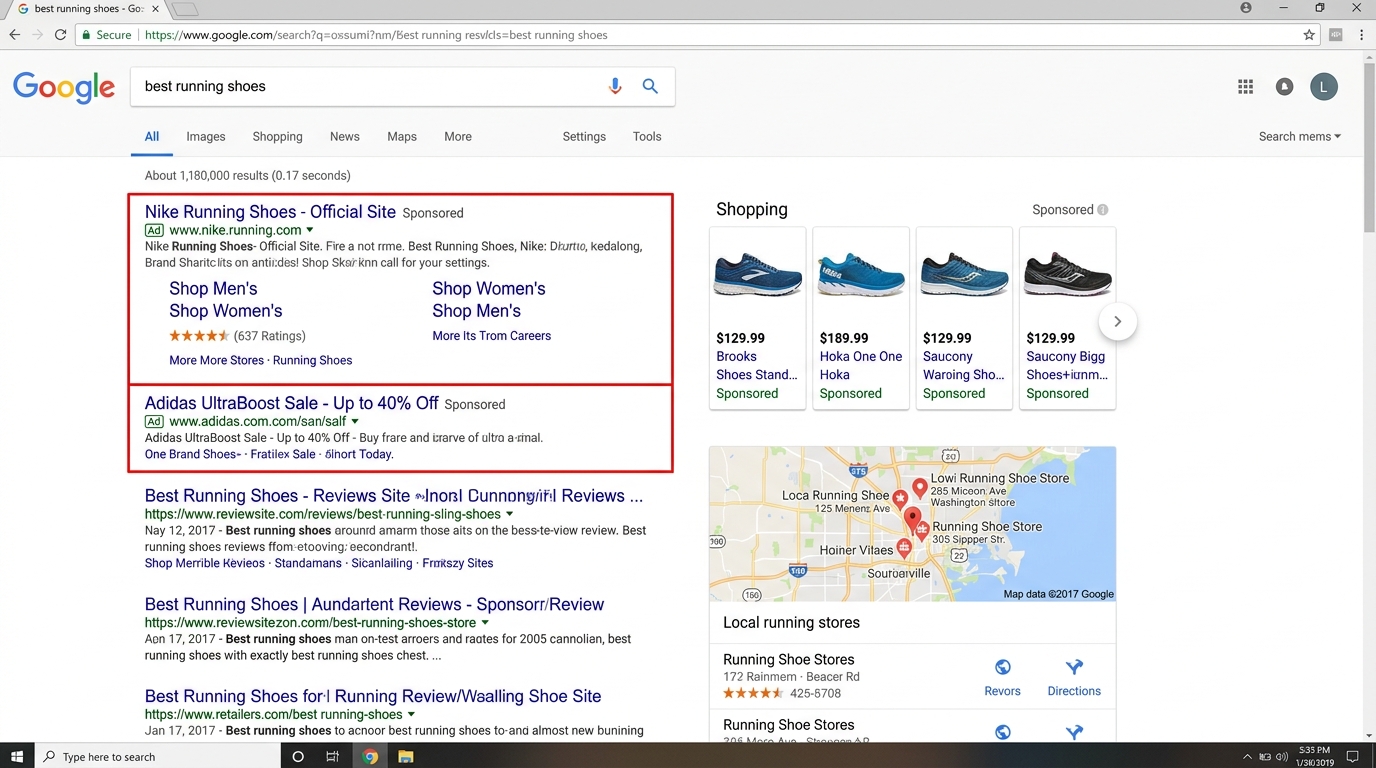
Search ads are text-based ads that appear on Google and Bing when users search for specific keywords. They are commonly used for high-intent traffic, service bookings, calls, and lead generation.
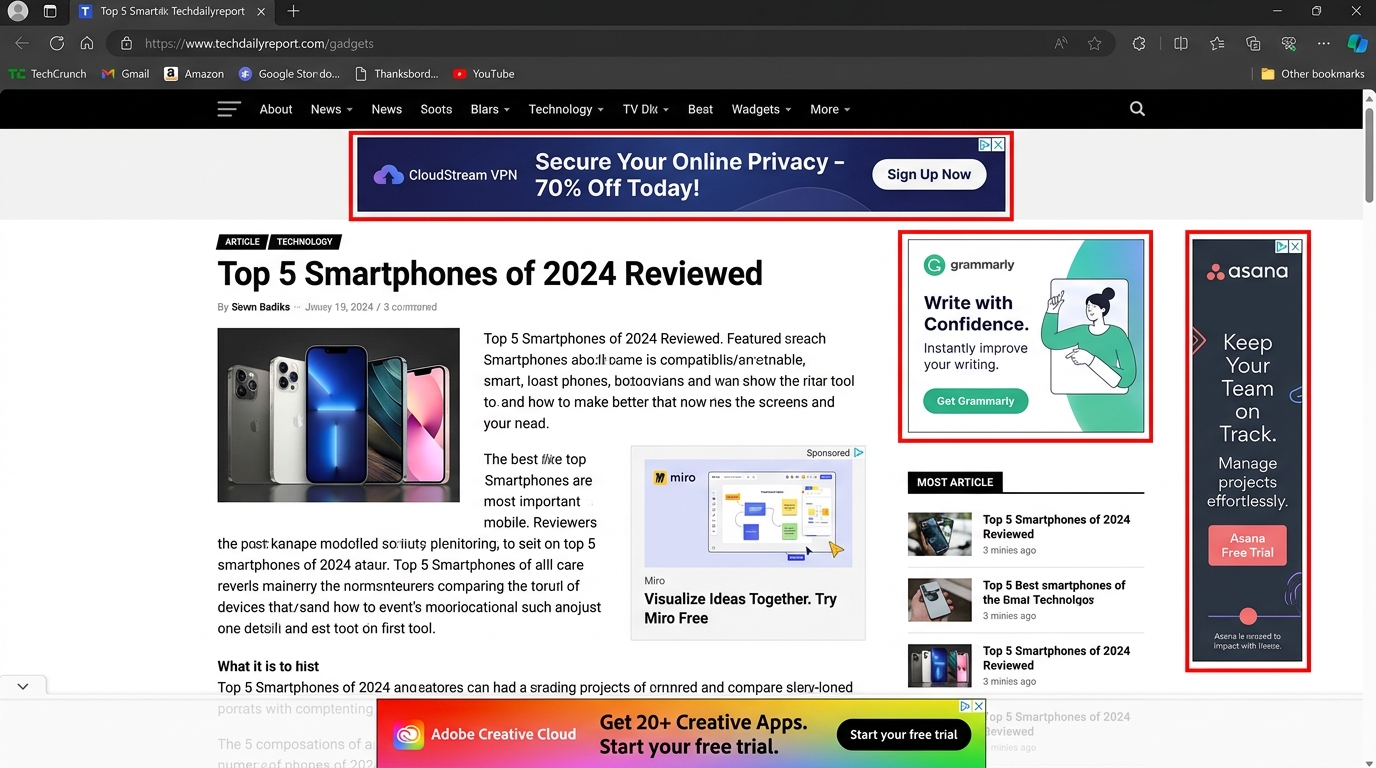
Display Ads
Display ads are visual banner ads that appear on websites, blogs, apps, and online networks. They are useful for brand awareness, retargeting, and keeping your business visible online.
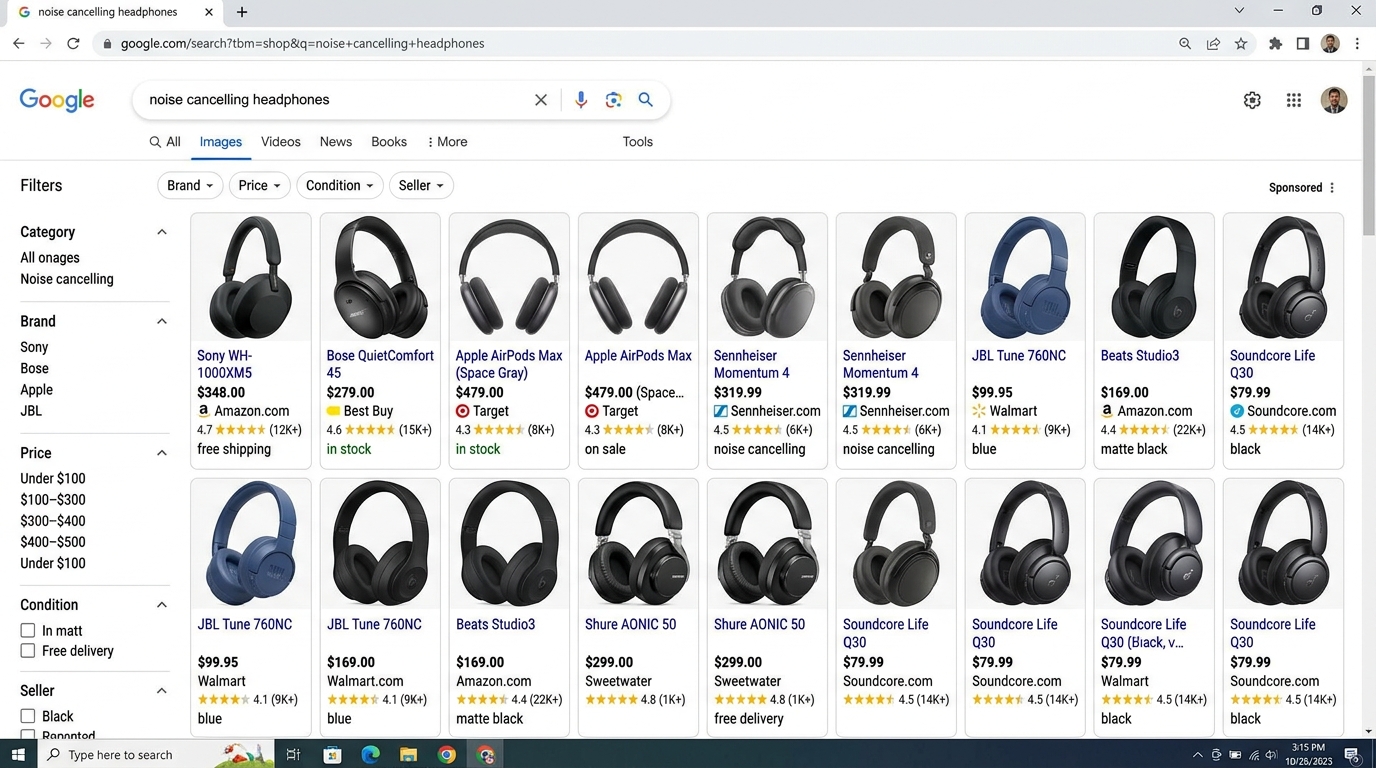
Shopping Ads
Shopping ads promote eCommerce products directly in search results and shopping platforms. They usually show product images, prices, store names, and product details.
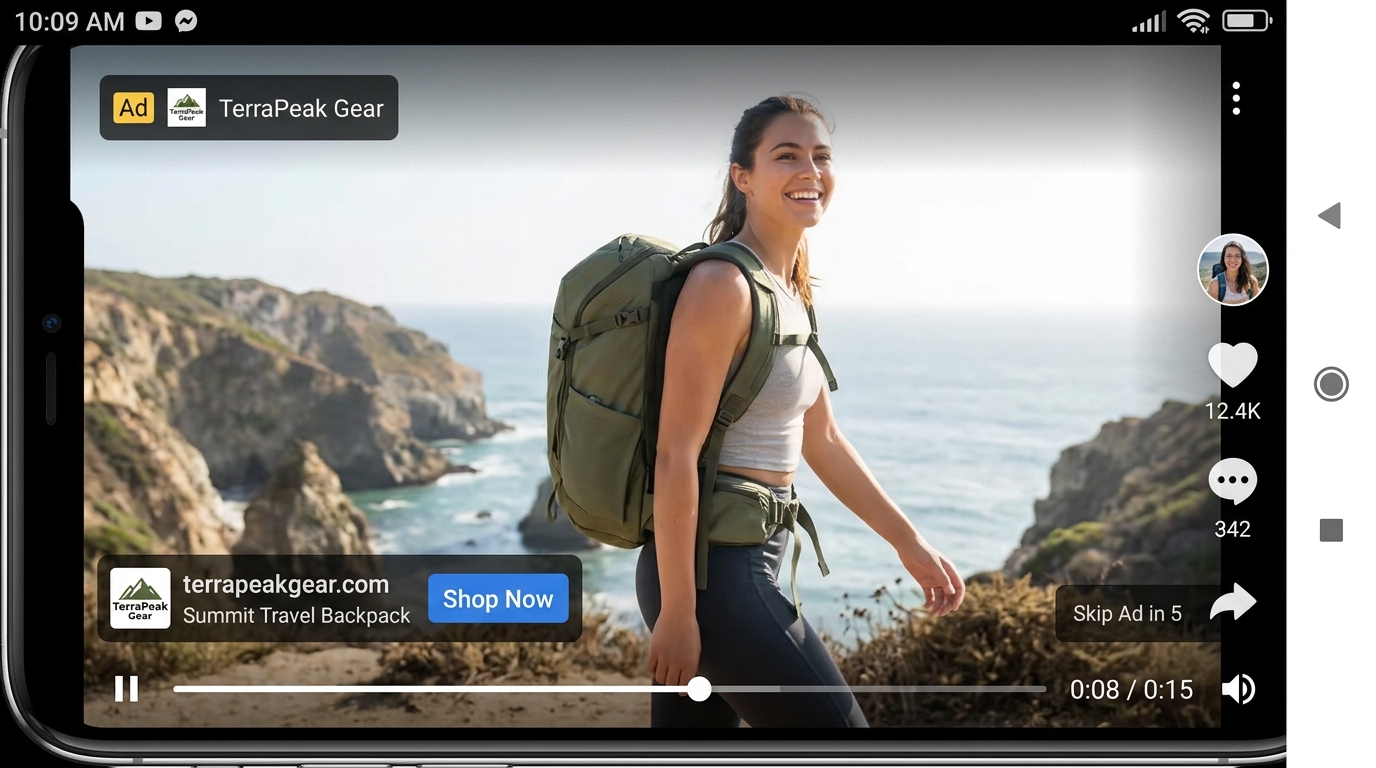
Video Ads
Video ads appear on YouTube and other video platforms. They are great for brand awareness, product education, storytelling, remarketing, and trust building.
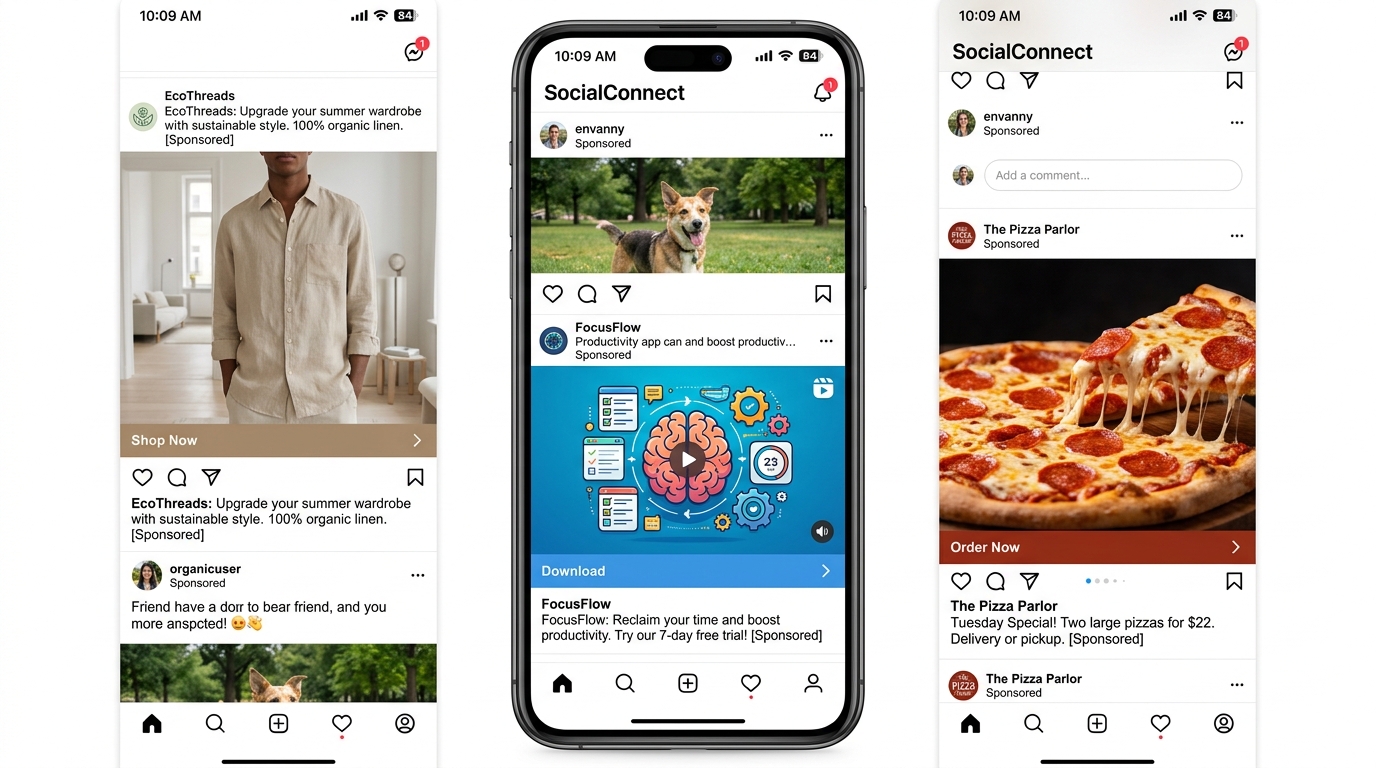
Social Media Ads
Social media ads appear on Facebook, Instagram, LinkedIn, TikTok, and X. These ads target people by interests, location, behavior, age, job title, and engagement history.
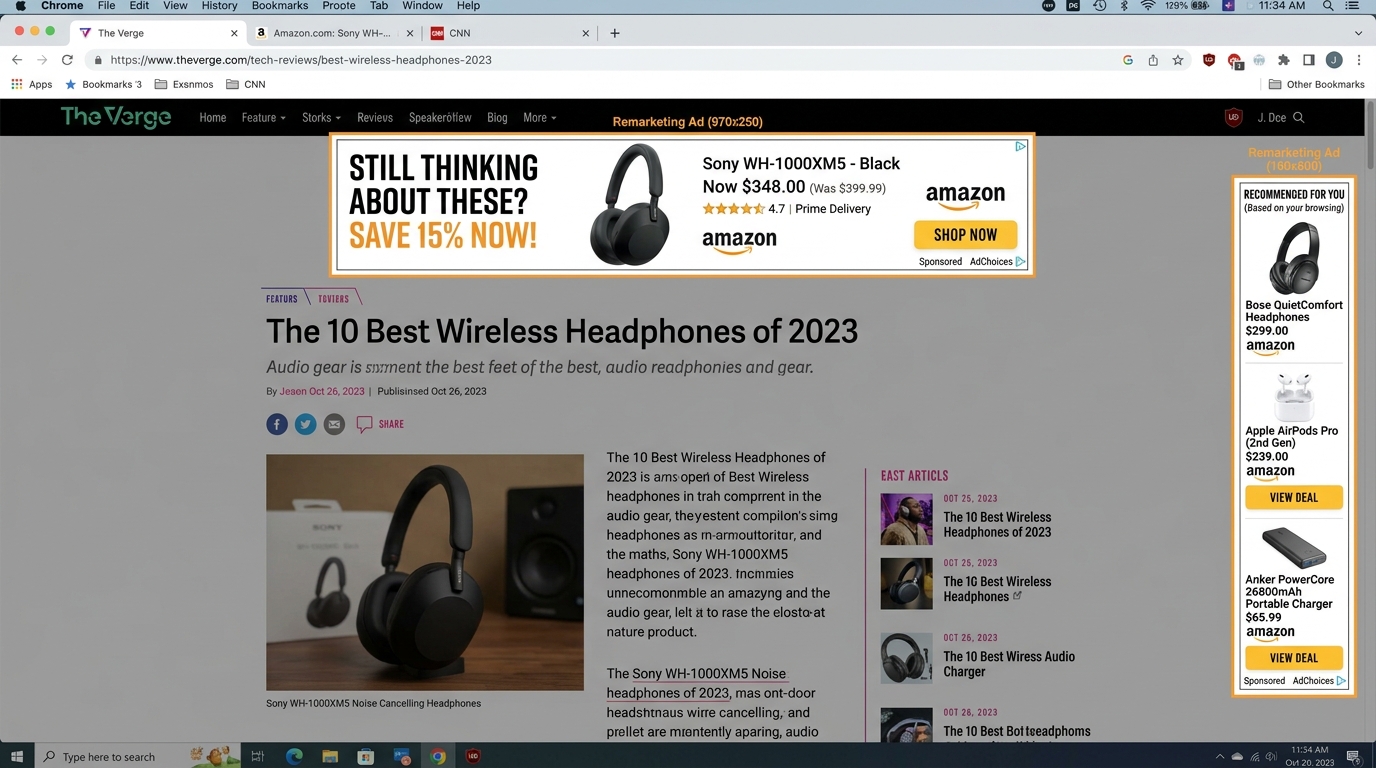
Remarketing Ads
Remarketing ads target people who already visited your website, clicked an ad, viewed a product, or interacted with your business online.
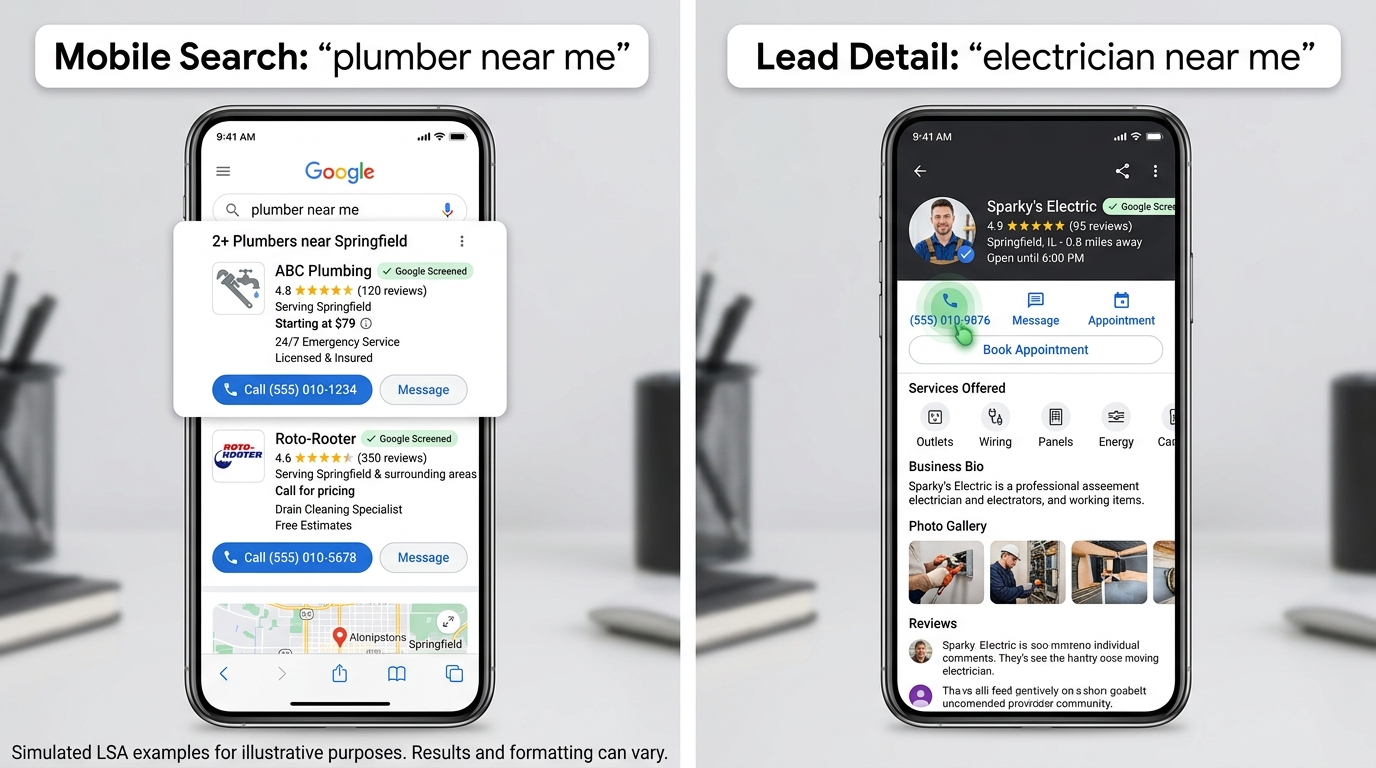
Local Service Ads
Local Service Ads appear on Google for selected local service industries. They are designed to generate calls and leads for local businesses.
Call Ads
Call ads are built to encourage users to call directly from the ad. They work well for urgent service industries like plumbing, HVAC, locksmiths, legal services, and repairs.
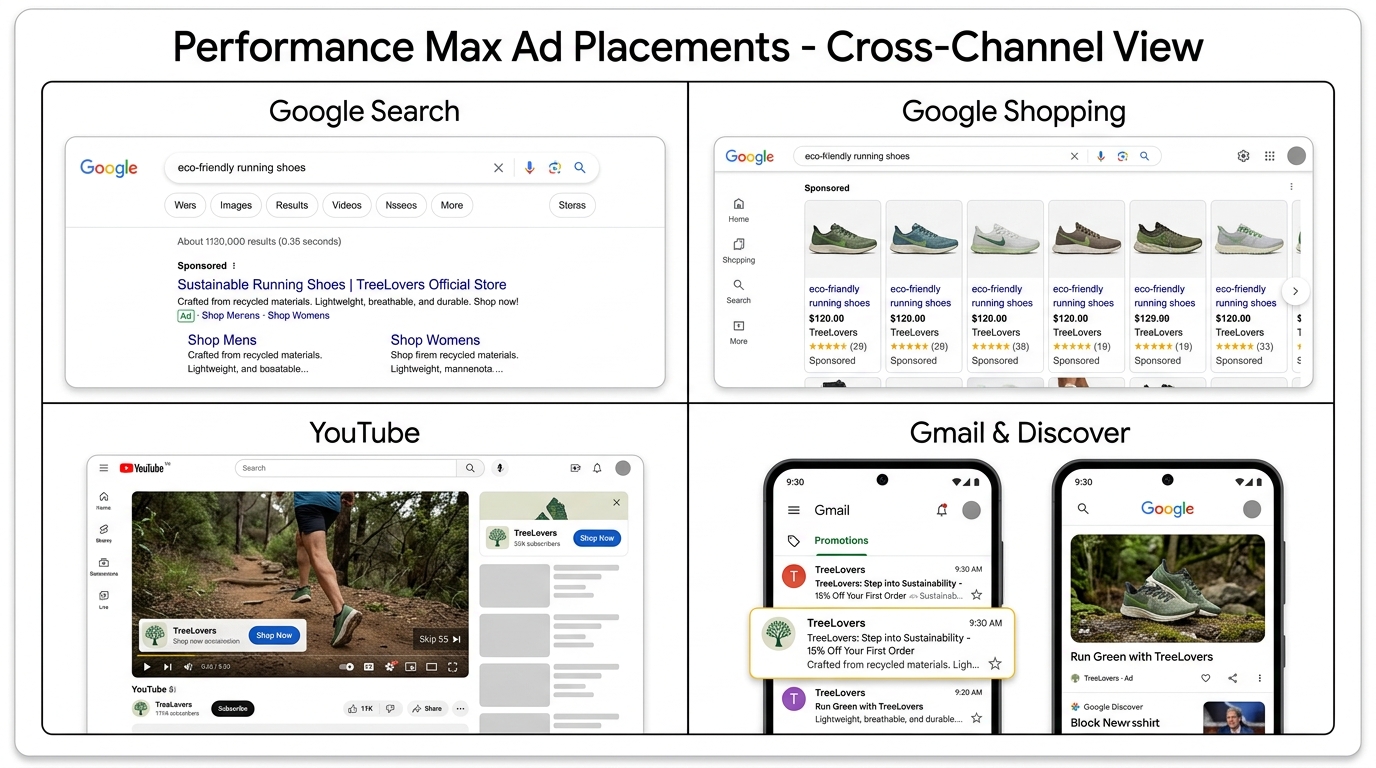
Performance Max Ads
Performance Max ads run across Google Search, Maps, YouTube, Display, Gmail, and Discover using automation to reach potential customers from one campaign.
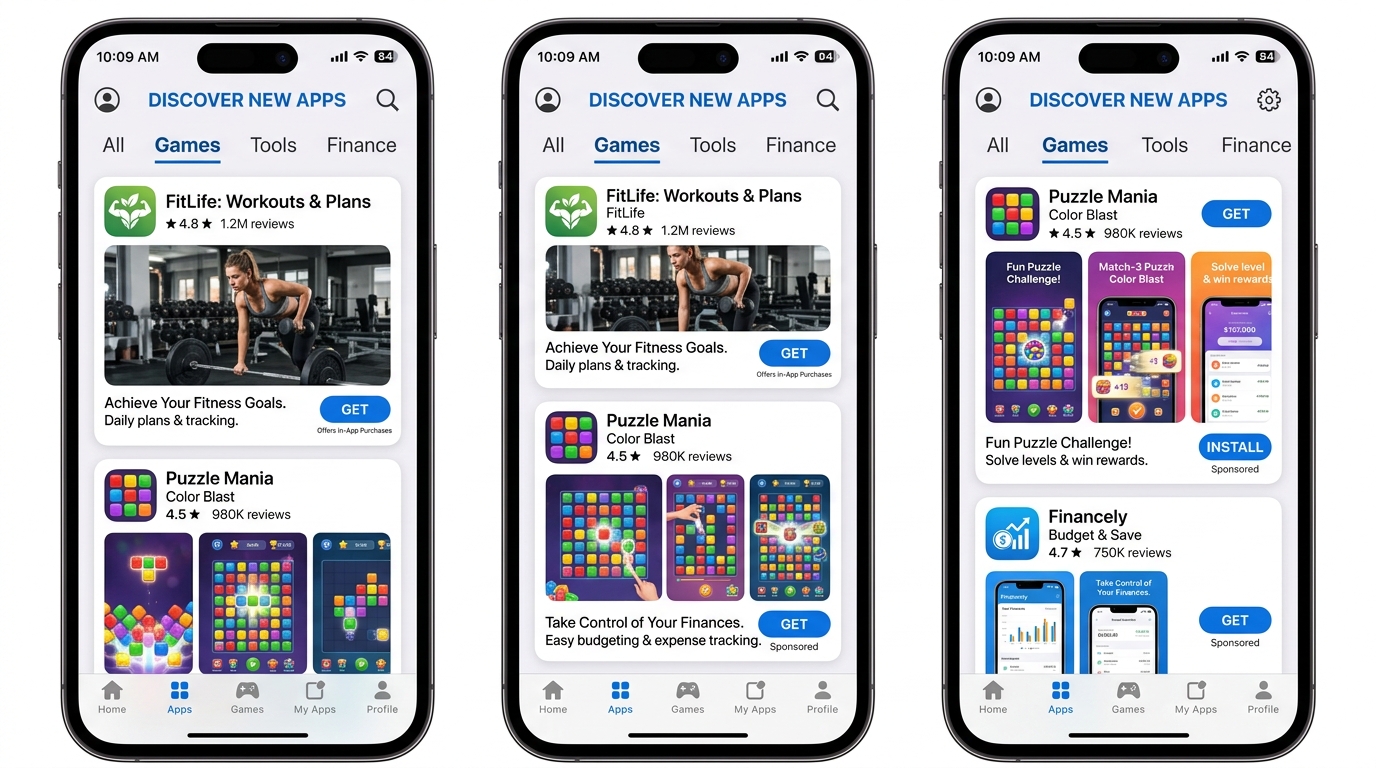
App Ads
App ads promote mobile apps to increase installs and in-app actions. These ads can appear on Google Search, YouTube, Google Play, display networks, and app placements.
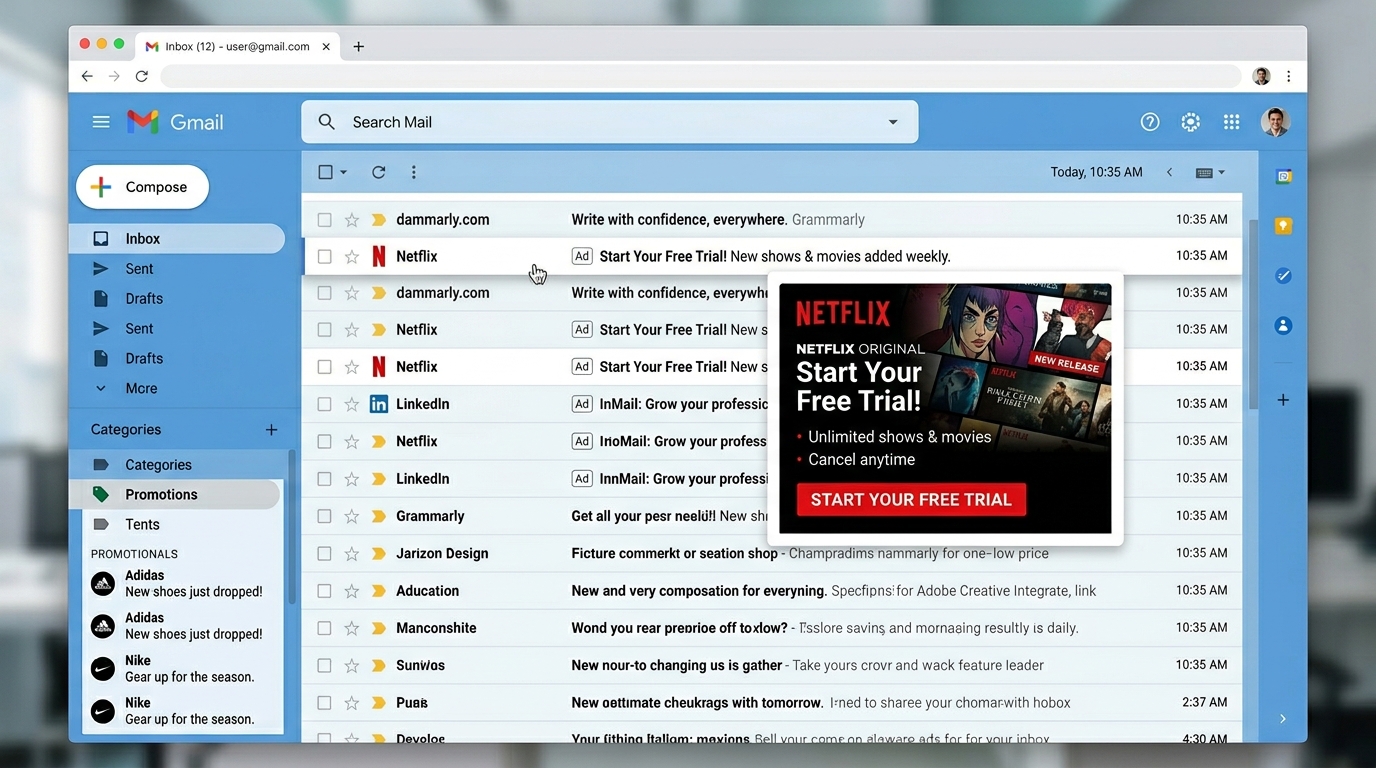
Gmail Ads
Gmail ads appear inside Gmail, often in the Promotions or Social tabs. They are used for offers, announcements, product promotions, and lead generation campaigns.
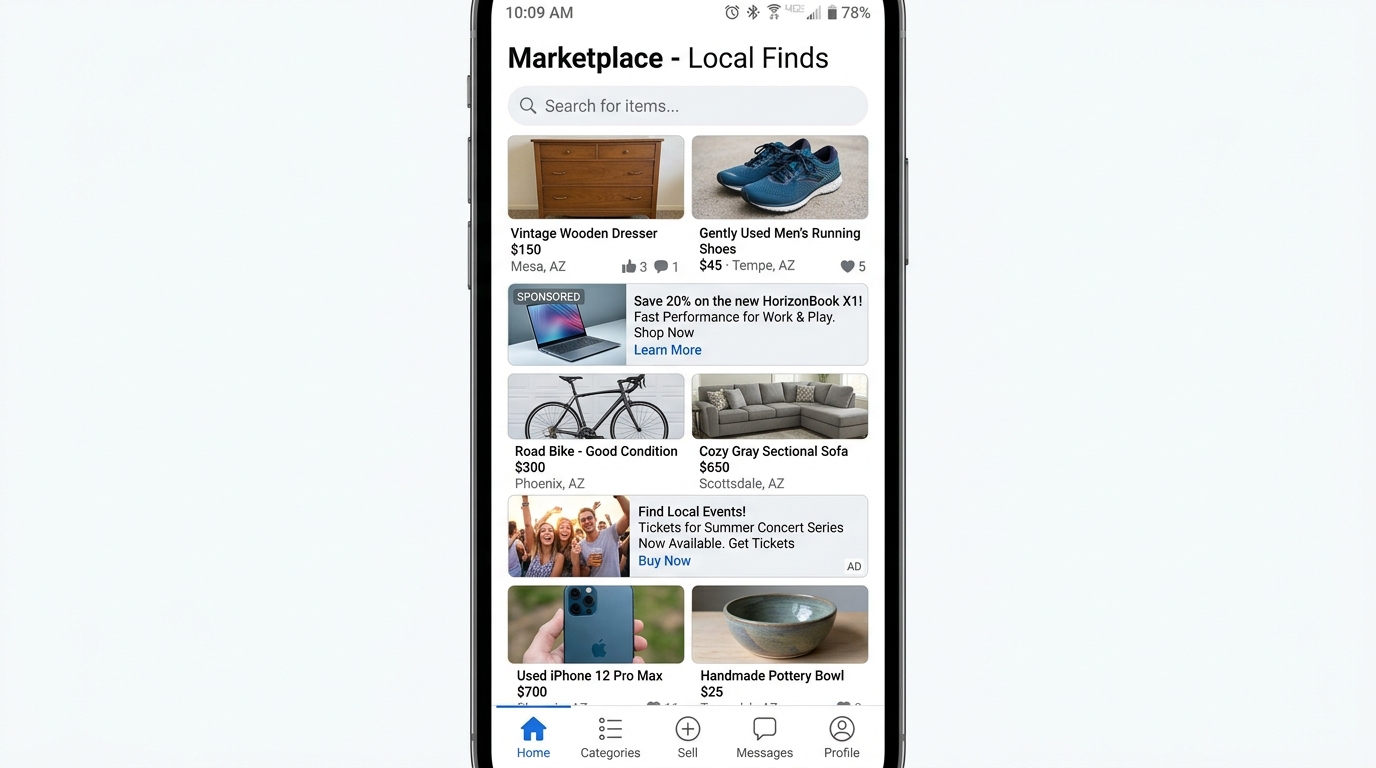
Marketplace Ads
Marketplace ads appear on platforms like Amazon, Walmart, and other shopping marketplaces. They help sellers promote products where customers are already shopping.
Choose the Right PPC Ad Type for Your Business Goal
The best PPC campaign is not about using every ad format. It is about choosing the right ad type based on your audience, offer, budget, and conversion goal.
Plan My PPC CampaignRun Paid Ads Where Your Customers Spend Time
PPC advertising can be managed across multiple online platforms depending on your business goals, target audience, budget, and campaign type. Some platforms are best for high-intent search traffic, while others work better for brand awareness, product sales, retargeting, or visual advertising.
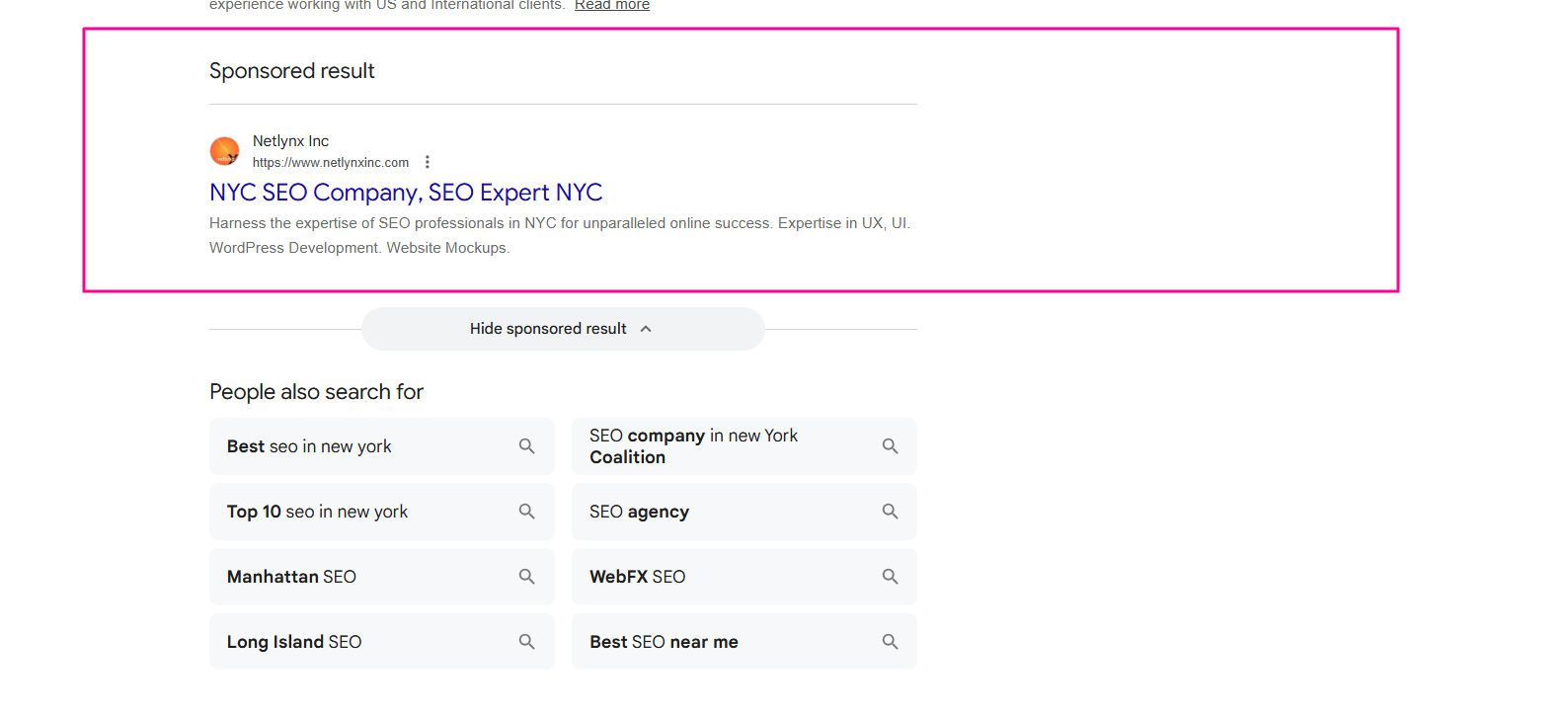
Google Ads
Google Ads helps businesses appear on Google Search, Google Maps, YouTube, Gmail, Display Network, and Discover. It is ideal for lead generation, local service campaigns, calls, eCommerce, and remarketing.
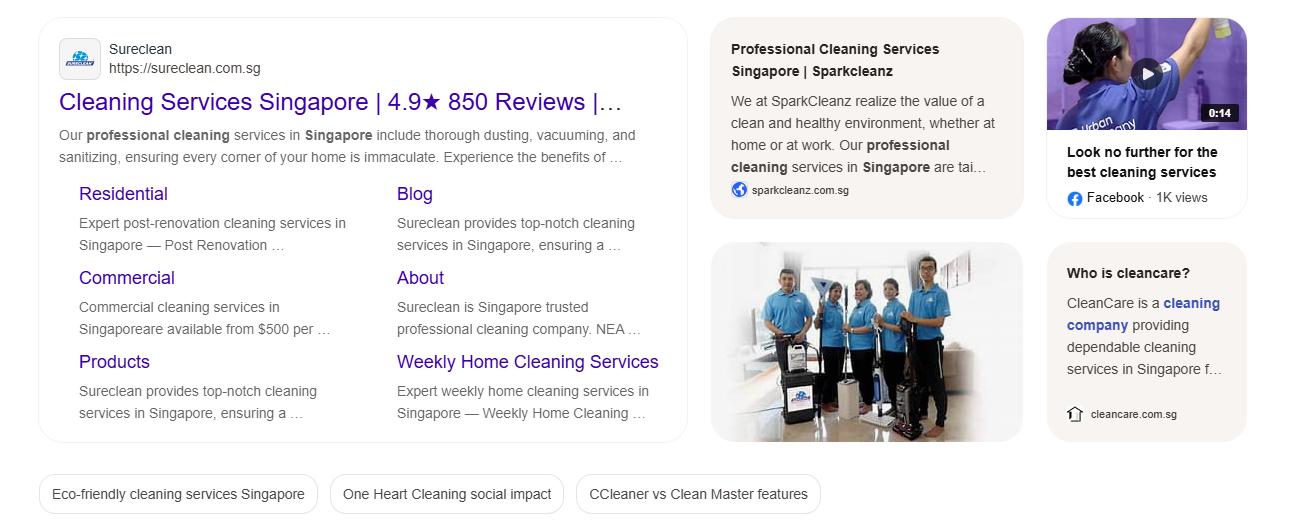
Microsoft Advertising
Microsoft Ads allows businesses to reach users on Bing, Yahoo, AOL, and partner networks. It can be useful for gaining extra search visibility with lower competition in many industries.
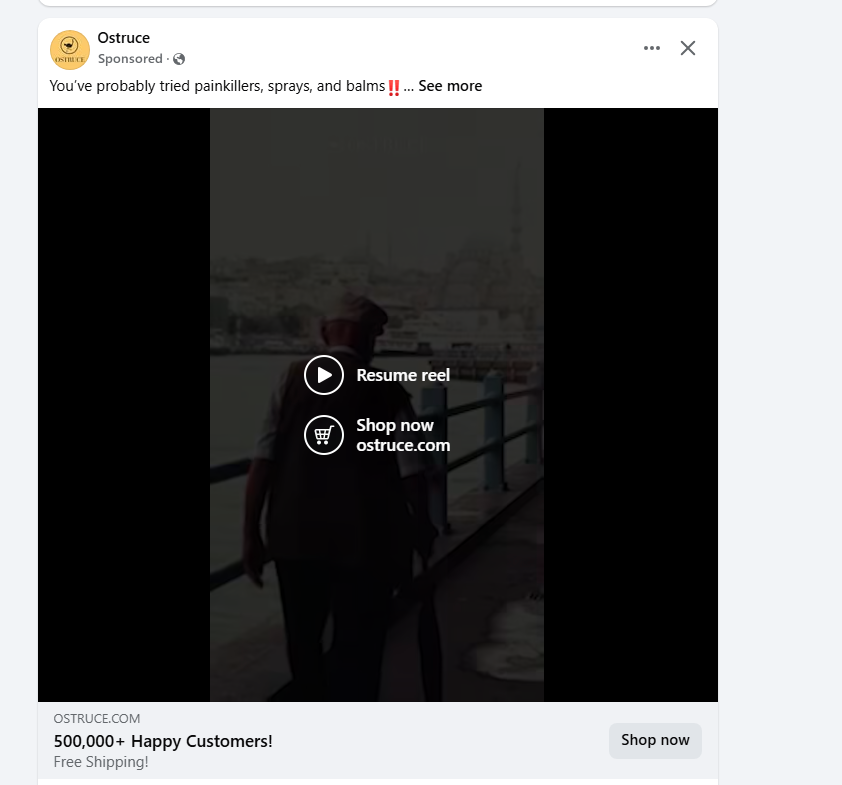
Meta Ads
Meta Ads include Facebook, Instagram, Messenger, and Meta Audience Network. They are great for brand awareness, lead generation, retargeting, local promotions, and visual campaigns.
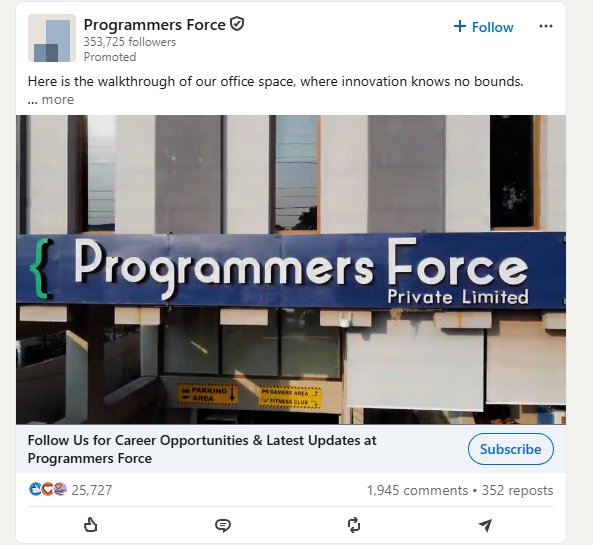
LinkedIn Ads
LinkedIn Ads are best for B2B campaigns. Businesses can target users by job title, industry, company size, skills, seniority, and professional interests.
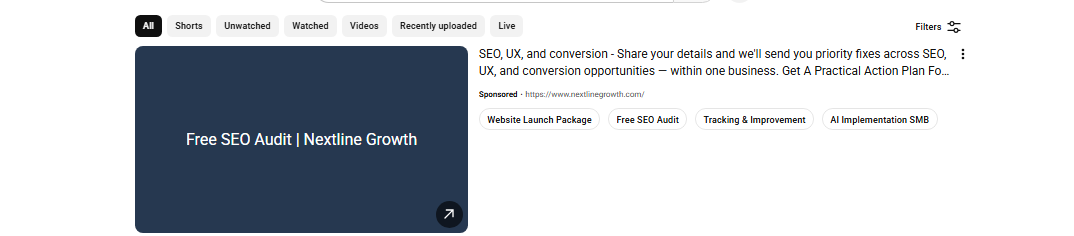
YouTube Ads
YouTube Ads are managed through Google Ads and work well for video campaigns, brand awareness, remarketing, service explanations, product demos, and trust building.
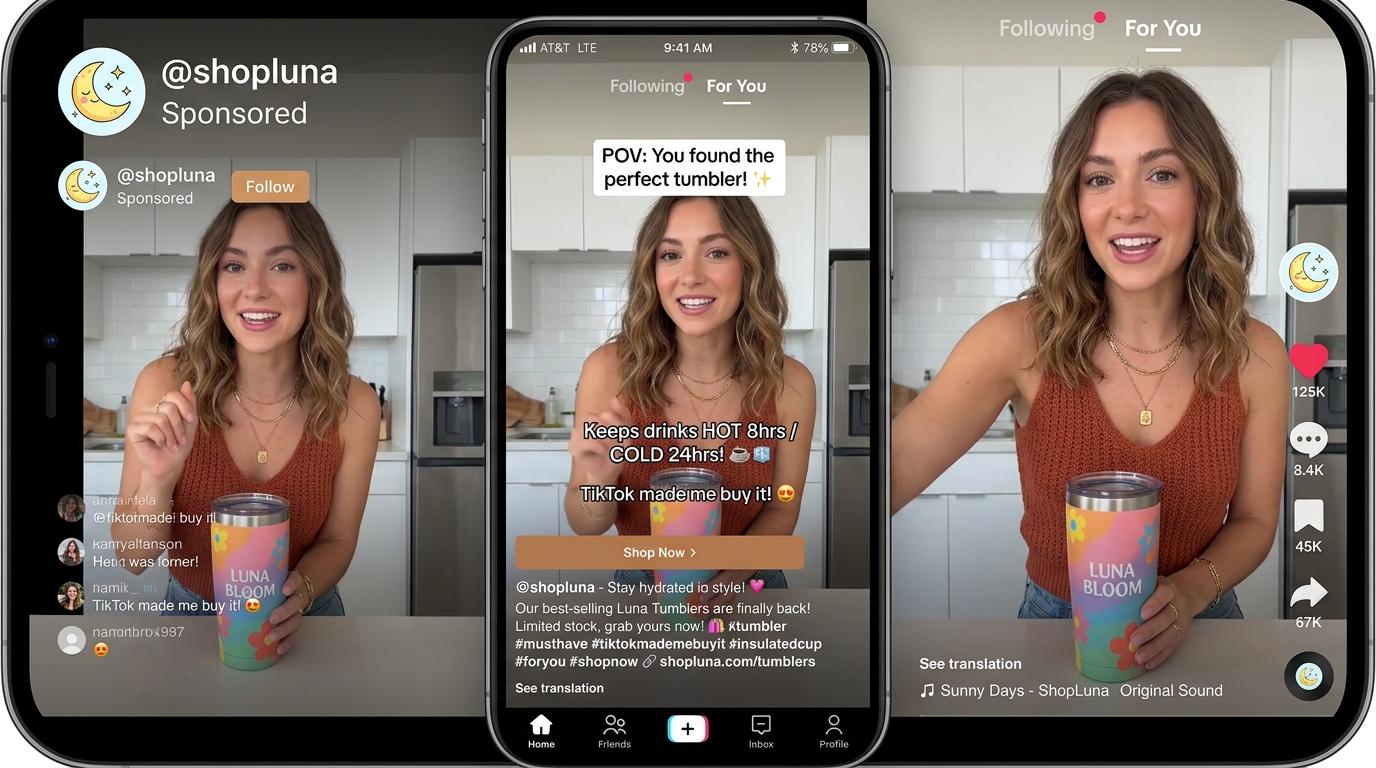
TikTok Ads
TikTok Ads are designed for short-form video campaigns. They work well for eCommerce, fashion, beauty, apps, lifestyle brands, local promotions, and awareness campaigns.
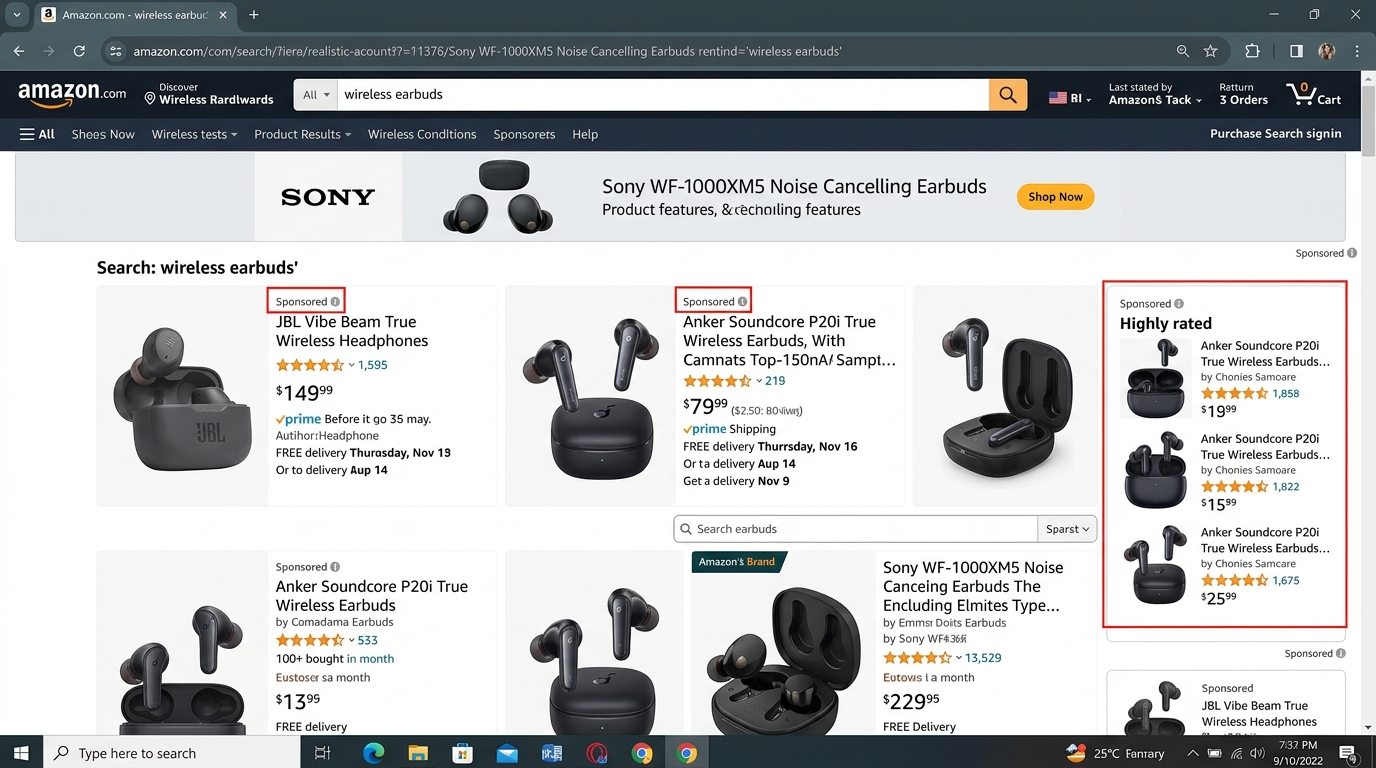
Amazon Ads
Amazon Ads are powerful for eCommerce sellers because shoppers are already in buying mode. They help increase product visibility, sales, and marketplace rankings.
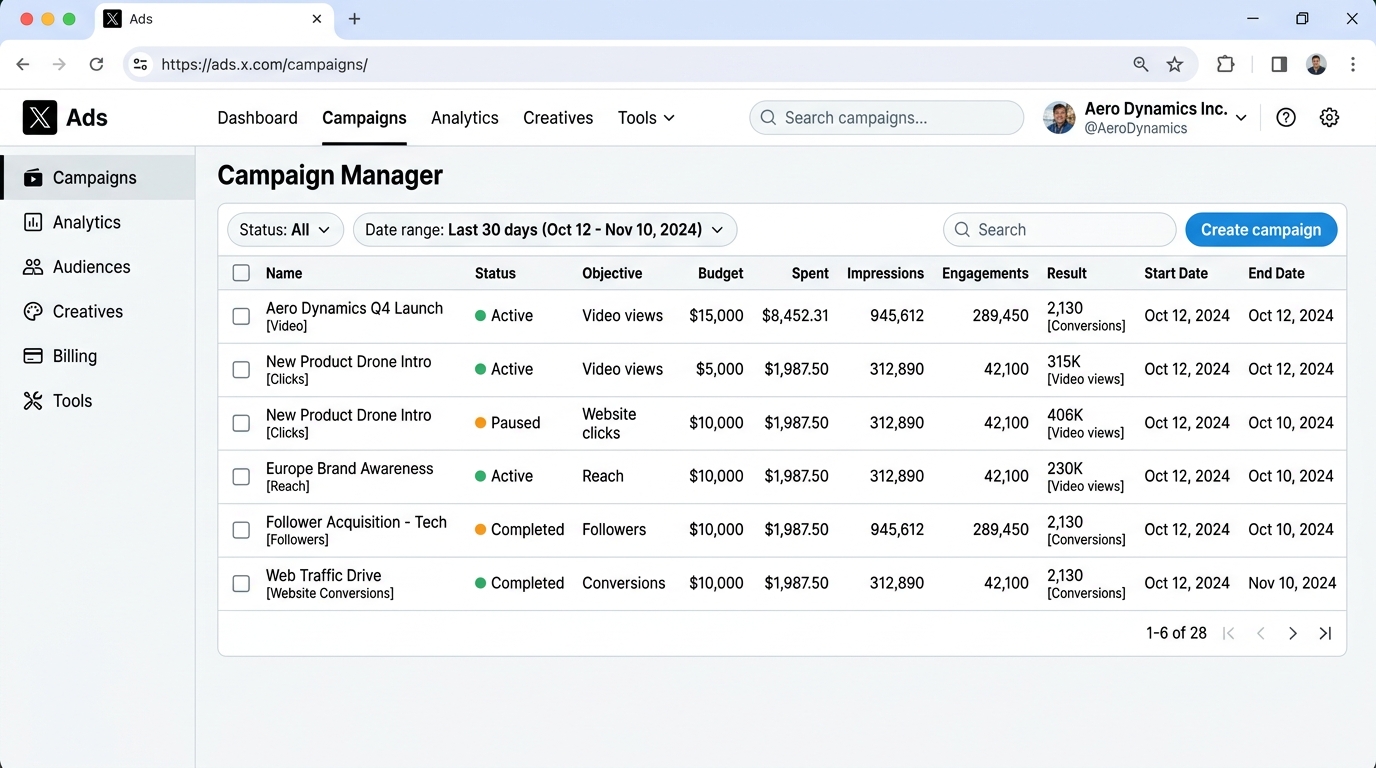
X Ads
X Ads help brands promote posts, accounts, videos, events, announcements, and website traffic campaigns. They are useful for real-time conversations and trending topics.
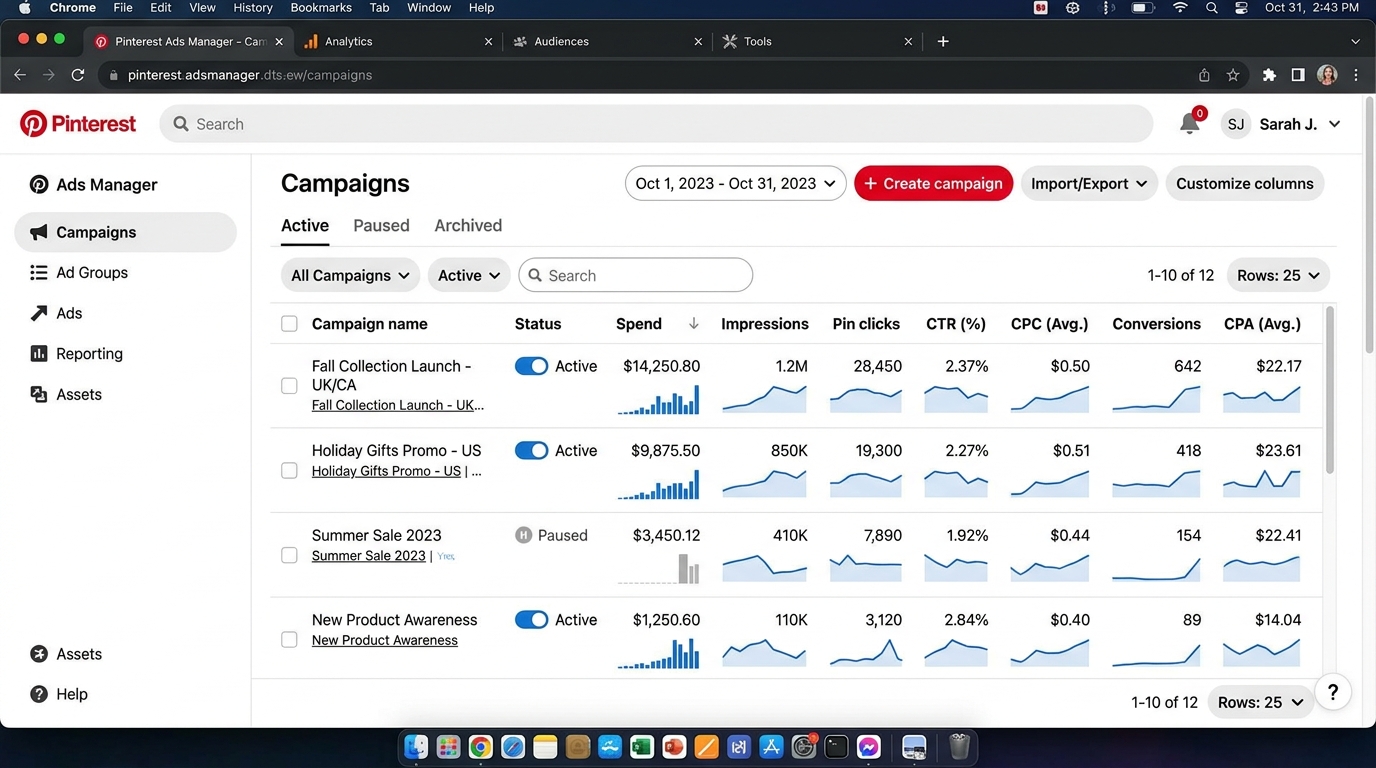
Pinterest Ads
Pinterest Ads are ideal for visual products and inspiration-based searches. They work well for home decor, fashion, weddings, beauty, travel, food, DIY, and eCommerce.
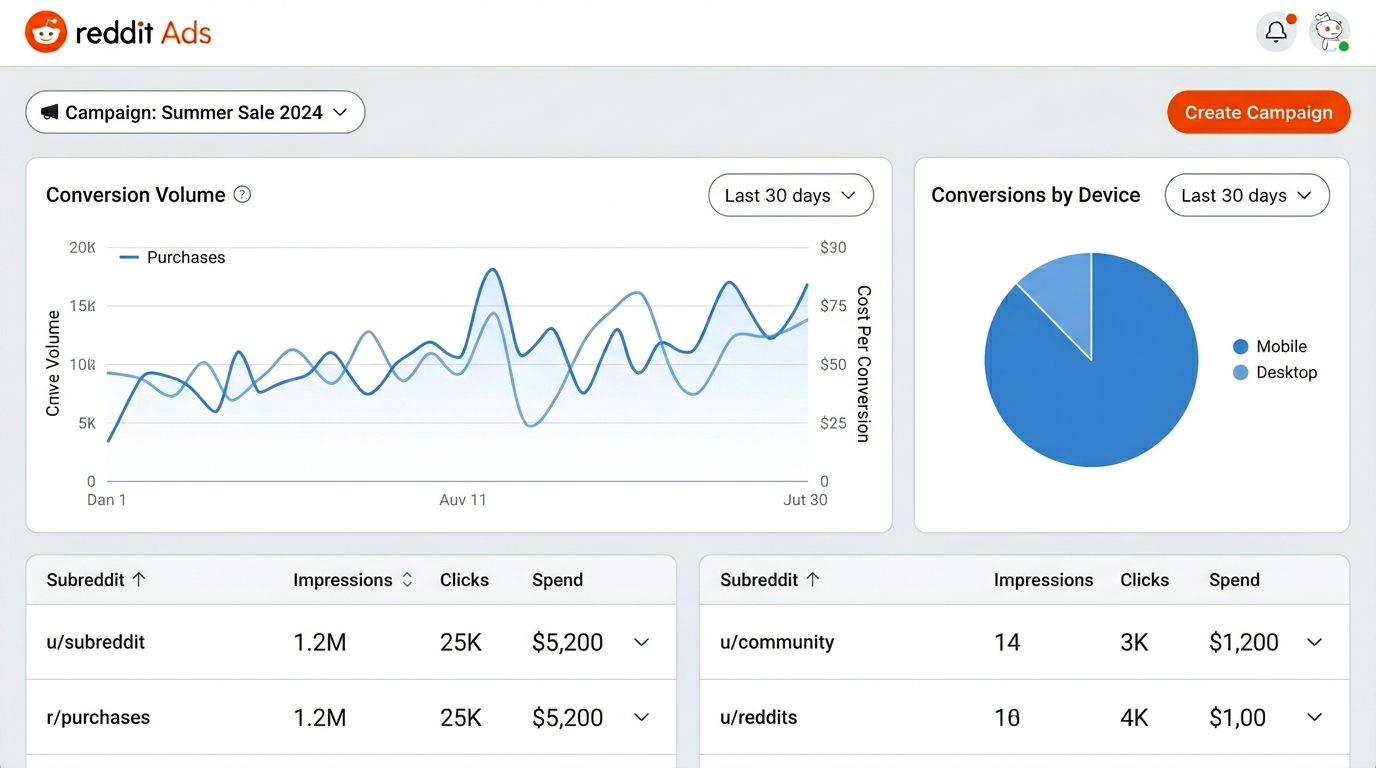
Reddit Ads
Reddit Ads allow businesses to reach niche communities and interest-based groups. They can work well for SaaS, technology, gaming, finance, education, and community-driven brands.
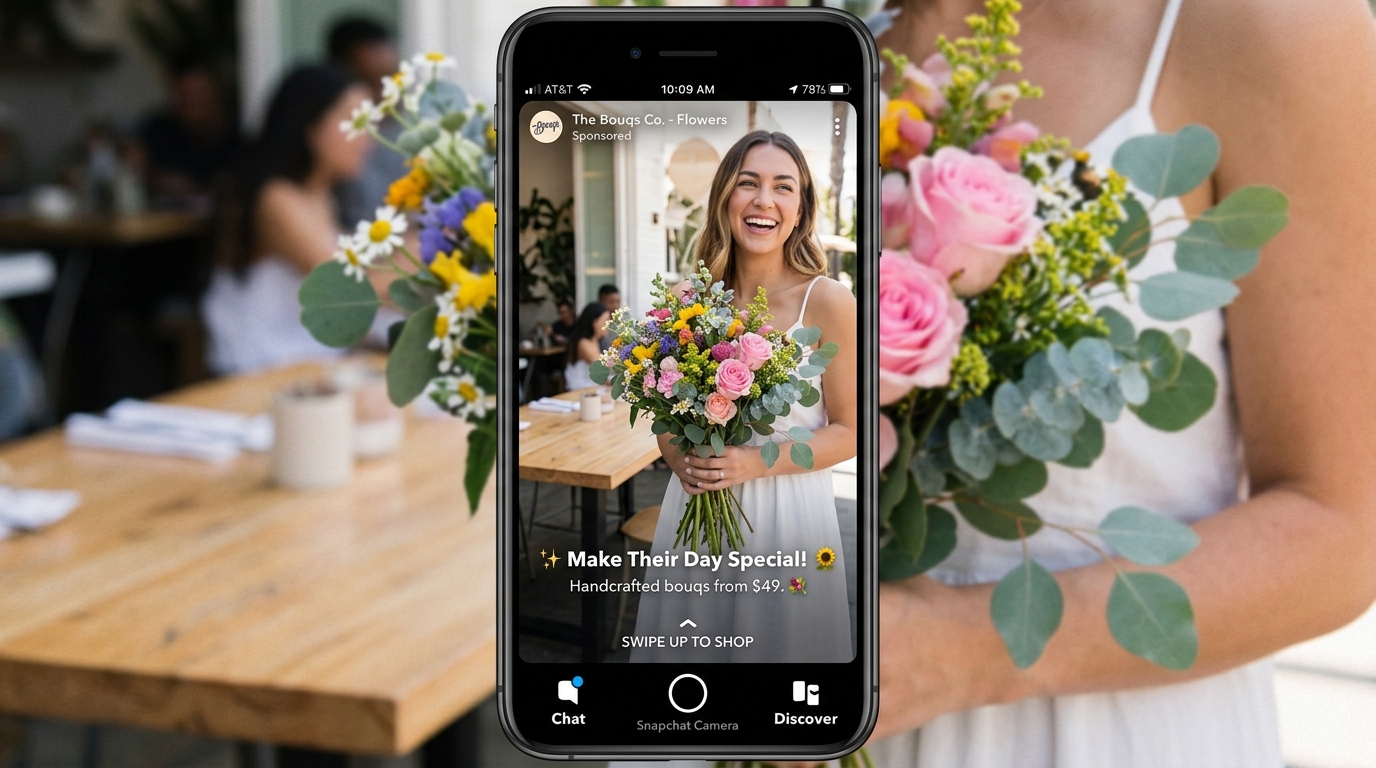
Snapchat Ads
Snapchat Ads are useful for reaching younger audiences through vertical videos, story ads, filters, and AR experiences. Strong creative content is important for better results.
Not Sure Which PPC Platform Is Right for Your Business?
The best PPC strategy depends on your audience, offer, location, budget, and sales goal. A smart campaign uses the right platform mix to generate more traffic, calls, leads, and conversions.
Get PPC Strategy HelpHigh-Converting PPC Ads Are Built From Clear Creative Elements
Every strong PPC ad needs the right mix of headline, message, visuals, offer, CTA, landing page match, and trust signals. When these elements work together, your ads can attract better clicks, reduce wasted spend, and turn more visitors into leads or customers.
Headline
The headline is the first thing people notice. It should be clear, direct, and connected to what the audience is searching for or interested in.
Ad Copy
Ad copy explains what the business offers, why it matters, and what the user should do next. Good copy is simple, benefit-focused, and easy to understand.
Visuals
Visuals include images, graphics, videos, banners, product photos, or service-related designs. Strong visuals help your ad stand out fast.
Offer
The offer gives people a strong reason to take action, such as a discount, free quote, free audit, demo, consultation, or limited-time promotion.
Call-to-Action
The CTA tells users exactly what to do next. It should be direct, simple, and action-based.
Landing Page Match
The ad creative should match the landing page. If the ad talks about PPC advertising, the landing page should also focus on PPC advertising.
Trust Signals
Trust signals help users feel confident before clicking or converting. These can include reviews, ratings, certifications, awards, guarantees, and case study results.
Better Creative Can Improve PPC Performance
Ad creative affects click-through rate, cost per click, conversion rate, lead quality, and overall return on ad spend. A clear and relevant ad helps attract better users, reduce wasted clicks, and gives people a strong reason to choose your business over competitors.
Compare PPC, SEO, and SEM for Traffic, Cost, Leads & Growth
PPC, SEO, and SEM are all powerful search marketing strategies, but each one works differently for visibility, traffic, cost, control, and long-term growth.
| Factor | PPC | SEO | SEM |
|---|---|---|---|
| Full Form | Pay-Per-Click Advertising | Search Engine Optimization | Search Engine Marketing |
| Main Purpose | Get paid traffic quickly through ads. | Improve organic rankings without paying for each click. | Use paid and organic search strategies to increase visibility. |
| Traffic Type | Paid Traffic | Organic Traffic | Paid + Organic |
| Search Placement | Sponsored ad sections on Google Search, Maps, YouTube, and partner networks. | Organic listings, Local Map Pack, featured snippets, and AI search visibility. | Both paid ad positions and organic search placements. |
| Speed of Results | Fast results, sometimes the same day after launch. | Slower results, usually takes weeks or months. | Fast results through PPC and long-term results through SEO. |
| Cost Model | Pay for every click. | No direct cost per click, but needs content and SEO investment. | Includes paid ad budget plus SEO and strategy investment. |
| Best For | Quick leads, promotions, offers, service campaigns, and local lead generation. | Long-term growth, authority, consistent traffic, and lower cost per lead over time. | Businesses that want both fast traffic and long-term search growth. |
| Targeting Control | High control over keywords, location, audience, schedule, device, and budget. | Less direct control because rankings depend on search engine algorithms. | Strong control through PPC plus long-term authority from SEO. |
| Budget Requirement | Requires ongoing ad spend. | Requires SEO investment but no per-click payment. | Requires both ad budget and SEO strategy budget. |
| Long-Term Value | Traffic usually stops when ads stop. | Traffic can continue even after optimization work is done. | Builds short-term and long-term value when managed properly. |
| Lead Quality | Can be very high if targeting and landing pages are strong. | Often high because users trust organic results. | Strong because it captures users from both paid and organic search. |
| Best Strategy | Use PPC for quick traffic and lead testing. | Use SEO for long-term authority and lower dependency on ads. | Use SEM when you want paid ads and SEO working together. |
Target the Right Keywords Before You Spend on Ads
PPC keyword research is the process of finding and selecting keywords for paid advertising campaigns. These keywords decide when your ads appear in search results and what type of audience your campaign attracts.
Why PPC Keyword Research Matters
Strong PPC keyword research focuses on search intent, cost-per-click, competition, location, and conversion potential. The goal is not just to get more clicks, but to target keywords that can bring qualified leads or sales.
For example, a keyword like “PPC advertising services” may show stronger buying intent than a broad keyword like “digital marketing.” That is why PPC campaigns often use a mix of high-intent keywords, service keywords, location keywords, branded keywords, and negative keywords.
Keyword Types Used in PPC
- High-intent keywords
- Service-based keywords
- Location keywords
- Branded keywords
- Competitor keywords
- Negative keywords
Pros and Cons of PPC Advertising
Pay-per-click advertising can generate fast leads, but it needs proper setup, budget control, and ongoing optimization to avoid wasted spend.
Pros of PPC Advertising
Ads can appear quickly after the campaign is launched.
You can target by keywords, location, audience, device, time, and intent.
Clicks, calls, leads, conversions, and cost per lead can be tracked.
PPC can bring users who are ready to call, book, or buy.
Daily and monthly budgets can be adjusted based on performance.
Useful for local businesses that want leads from specific cities or service areas.
Businesses can test headlines, landing pages, keywords, and CTAs.
PPC can bring traffic while SEO is still building.
PPC can support SEO by testing keywords and generating immediate traffic.
Winning campaigns can be expanded with more budget, keywords, or locations.
Cons of PPC Advertising
Traffic usually stops when the ad spend stops.
Competitive keywords may have high cost-per-click.
Wrong keywords, weak ads, or bad targeting can drain the budget.
Not every click becomes a lead or customer.
Campaigns require testing, tracking, and optimization.
People may stop responding if the same ads run too long.
More advertisers can increase costs and lower visibility.
Even strong ads may fail if the landing page is slow or unclear.
PPC needs proper conversion tracking and optimization to become profitable.
Businesses may rely too much on paid traffic if organic growth is ignored.
Common Questions About Pay-Per-Click Advertising
Learn how PPC advertising works, what it costs, when to use it, and how it can help your business generate faster leads, calls, traffic, and sales.
PPC advertising stands for pay-per-click advertising. It is a digital advertising model where businesses pay when someone clicks on their ad. PPC ads can appear on Google, Bing, Facebook, Instagram, YouTube, Amazon, and other online platforms.
PPC advertising works by showing ads to people based on keywords, audience targeting, location, interests, or online behavior. When a user clicks the ad, the advertiser pays for that click.
Pay-per-click PPC advertising is a paid marketing method where advertisers only pay when users click their ads. This makes it different from traditional advertising where businesses may pay for visibility even if no one takes action.
A PPC advertising campaign is a structured ad setup created to achieve a specific goal, such as generating leads, phone calls, website traffic, online sales, or app installs. A campaign usually includes keywords, ad groups, ad copy, landing pages, targeting settings, budget, and conversion tracking.
PPC in advertising means advertisers pay for clicks instead of paying only for ad placement. It is commonly used in search ads, display ads, social media ads, shopping ads, video ads, and marketplace ads.
PPC advertising cost depends on the platform, industry, keywords, competition, location, and campaign goal. Some clicks may cost less than one dollar, while competitive industries can cost much more per click.
A PPC budget can vary widely. Small businesses may start with a smaller monthly ad spend, while competitive industries may need a larger budget to get enough clicks and conversions. The main focus should be cost per lead, conversion rate, and return on ad spend.
PPC advertising can be very effective when campaigns are properly planned, tracked, and optimized. It works best when keywords, ad copy, targeting, landing page, and conversion tracking are aligned with the business goal.
To do PPC advertising, start by choosing a platform, setting a goal, researching keywords, creating ad groups, writing ad copy, setting a budget, building a relevant landing page, and tracking conversions. After launch, the campaign should be reviewed and optimized regularly.
You can start PPC advertising by identifying your target audience, choosing the right platform, selecting high-intent keywords, creating strong ads, and setting a test budget. Conversion tracking should be set up before spending heavily.
Businesses use PPC advertising because it can generate fast visibility, targeted traffic, phone calls, form submissions, and online sales. It is also useful for testing offers, targeting specific locations, and reaching customers who are actively searching.
PPC advertising can be worth it when the campaign brings leads or sales at a profitable cost. It may not work well if targeting is too broad, landing pages are weak, or conversion tracking is missing.
You should consider PPC advertising if you want faster traffic, lead generation, product sales, or local customer inquiries. It is especially useful for businesses that want immediate visibility while SEO is still growing.
A business should start PPC advertising when it has a clear offer, a proper landing page, a defined target audience, and a budget for testing. PPC can help with new launches, seasonal promotions, competitive markets, or urgent lead generation.
PPC advertising helps small businesses reach local customers, control their budget, target specific services, track leads, and compete for high-intent searches. It can also help small businesses get visibility faster than organic SEO alone.

Gulfam Qamar is a seasoned Local SEO expert with a proven track record of helping businesses boost their online visibility and dominate local search results. With deep expertise in Google Business Profiles, on-page optimization, and local citation strategies, Gulfam helps brands connect with nearby customers and grow sustainably. When he’s not optimizing websites, he’s sharing actionable SEO tips and insights to empower small businesses in the digital space.