
[ B2B SEO Case Study ]
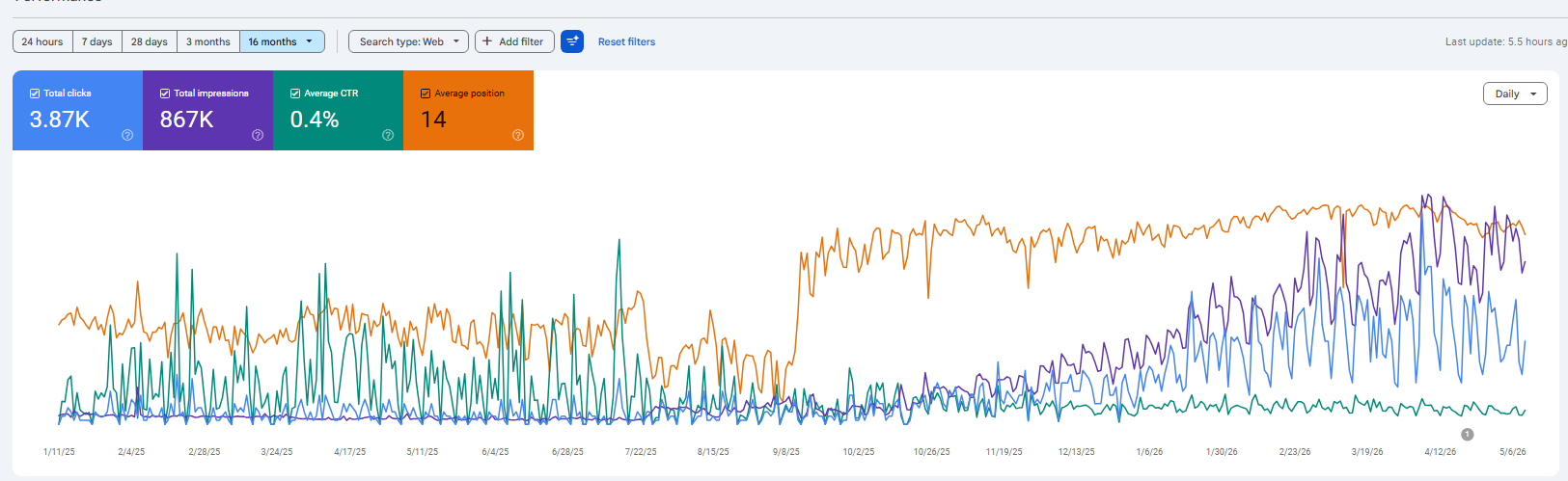
Google Search Console Growth Snapshot
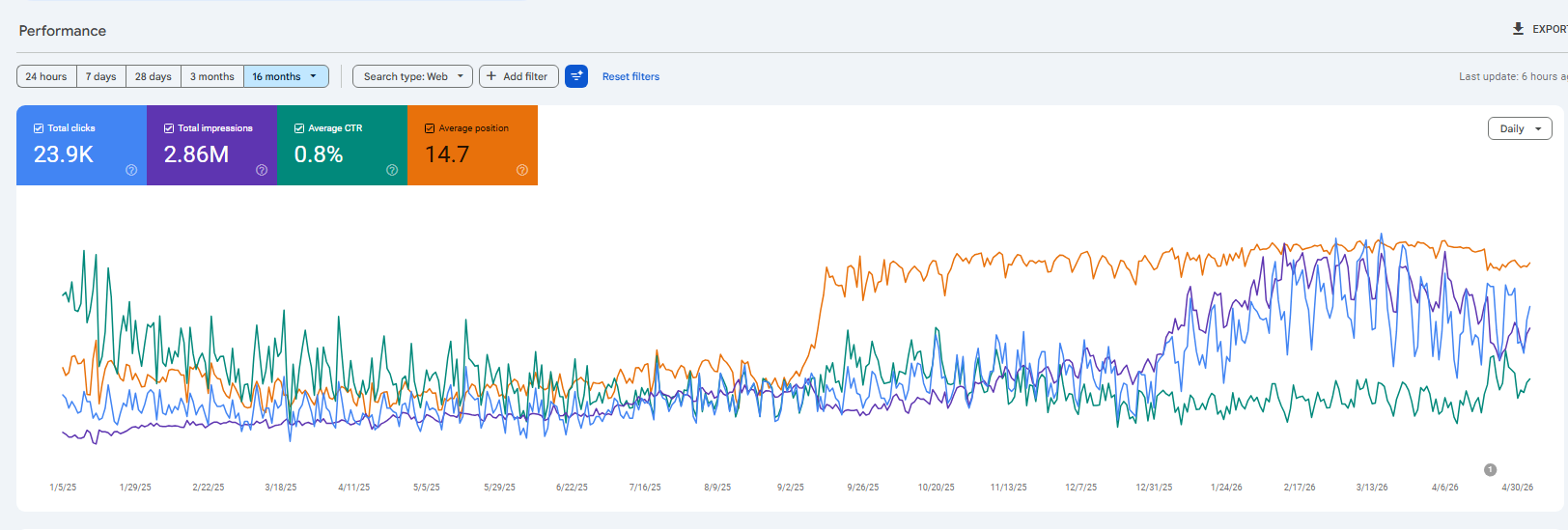
The GSC performance screenshot highlights organic visibility growth achieved during the campaign, showing how technical SEO, content expansion, internal linking, and authority building improved search visibility over time.
SEMrush Organic Growth Snapshot
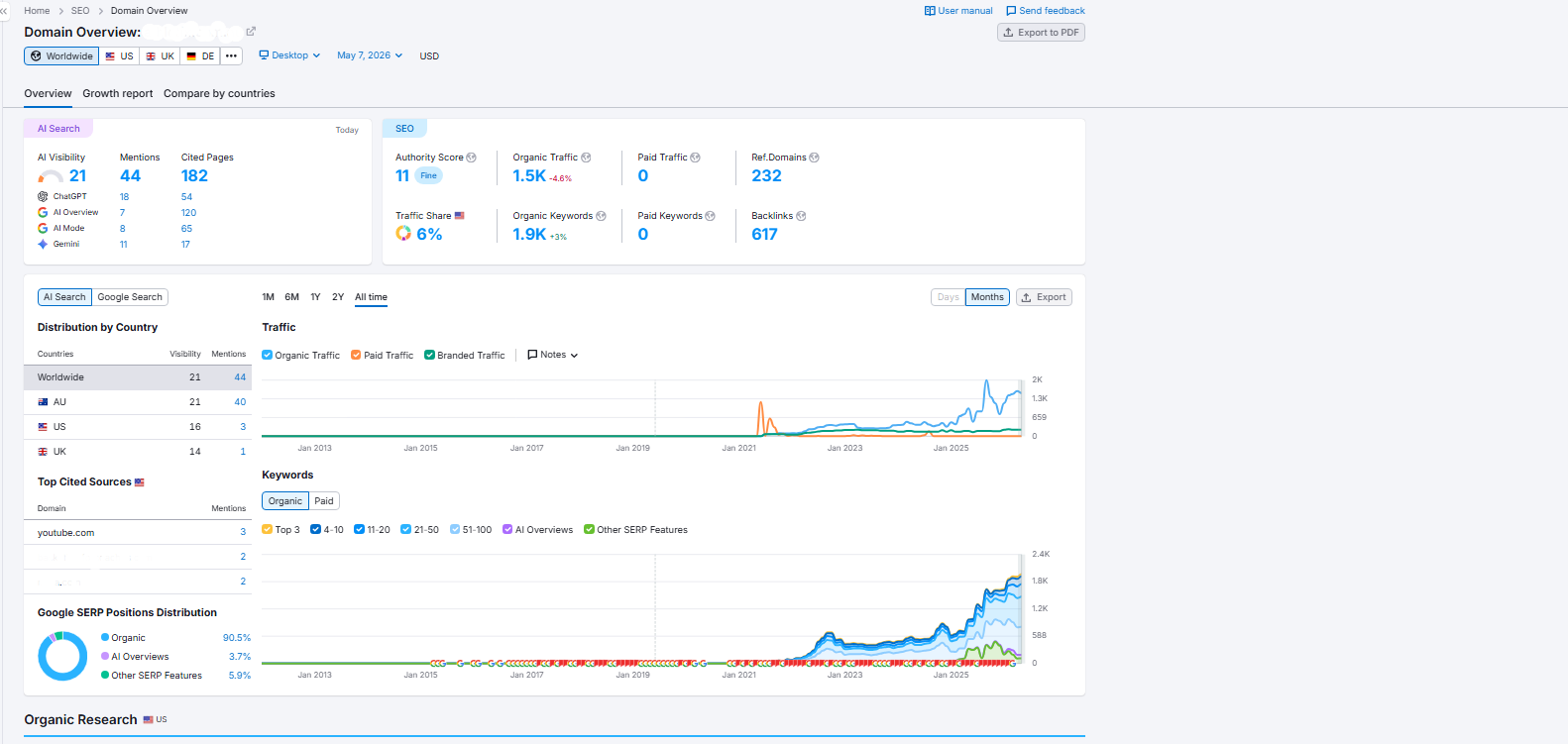
The SEMrush screenshot supports the ranking growth side of the case study, showing improved organic visibility, stronger keyword movement, and better search performance after consistent SEO execution.
Project Overview
This B2B SEO campaign focused on increasing non-branded organic traffic, improving topical authority, and generating long-term inbound leads through SEO.
The client already had an existing website, but the site lacked the structure, semantic optimization, and content depth required to compete in organic search.
The primary goal was to transform the website into a scalable inbound lead-generation asset through technical SEO improvements, topical expansion, semantic optimization, and stronger authority distribution across commercial pages.
[ Google Search Console Performance ]
| Total Organic Clicks | 23.9K |
| Total Impressions | 2.86M |
| Average CTR | 0.8% |
| Average Position | 14.7 |
| Campaign Duration | 16 Months |
B2B SEO Case Study
Download the Full 16-Month Organic Growth Campaign PDF
Get the complete SEO case study report with campaign overview, growth strategy, authority building process, and organic performance insights.
Download PDF FileInitial SEO Challenges
Weak Internal Linking Structure
Most supportive blog pages were not properly connected to money pages or core commercial service pages. This prevented authority from flowing across important sections of the website.
Thin Content Across Pages
Several pages lacked semantic optimization, entity relevance, FAQs, industry depth, and supporting informational content needed for modern search visibility.
Heavy Homepage Dependency
Most backlinks, authority, and ranking signals were concentrated only on the homepage while commercial service pages remained weak.
Missing Topical Coverage
The website lacked comprehensive content clusters around cost-related searches, how-to guides, comparisons, informational searches, and commercial intent keywords.
SEO Strategy Implemented
Technical SEO Optimization
The first phase focused on fixing the technical foundation of the website to improve crawlability, indexing efficiency, and overall search engine accessibility.
Topical Authority Expansion
A complete topical map was created to strengthen semantic relevance and build authority across commercial and informational searches.
Internal Linking Improvements
A structured internal linking strategy was implemented across the homepage, service pages, blog content, and supporting articles to improve authority flow.
Content Optimization
Existing pages were expanded and improved using semantic SEO enhancements, entity optimization, and stronger conversion-focused structures.
Authority Building & Link Strategy
Instead of concentrating all backlinks on the homepage, authority was strategically distributed across service pages, commercial pages, and supporting blog content to improve ranking distribution site-wide.
Results Achieved
Massive Growth in Organic Visibility
The campaign generated strong organic visibility through long-term SEO improvements, content expansion, and topical authority building.
Improved Rankings for Commercial Keywords
The website started ranking for more high-intent and buyer-focused search terms across the B2B niche.
Better Crawl & Indexation
Improved internal linking and technical optimization helped Google understand, discover, and prioritize more important pages across the site.
Stronger Topical Authority
By covering the niche comprehensively, the website became a stronger entity in Google’s understanding of the industry.
Core SEO Activities Responsible for Growth
Technical SEO
On-Page SEO
Content Marketing
Off-Page SEO
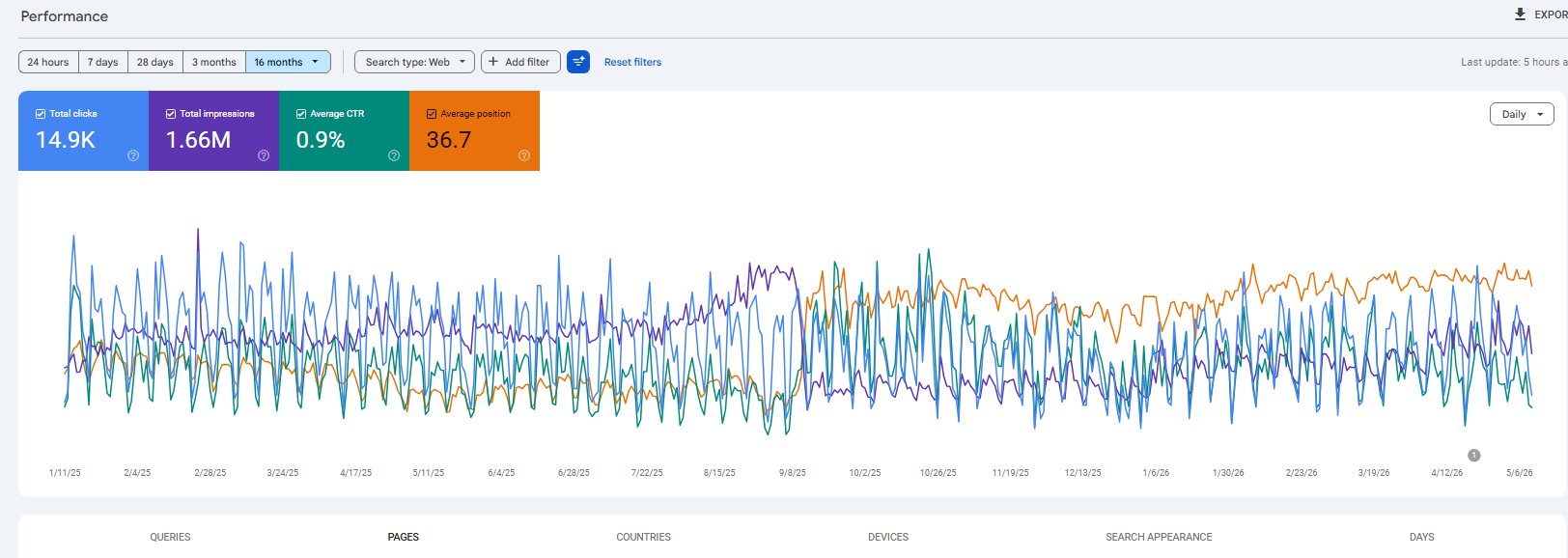
42% Organic Visibility Growth After Technical SEO Improvements
This case study highlights how technical SEO fixes helped improve crawlability, indexation, search visibility, and overall website performance.
Technical Fixes Created a Stronger SEO Foundation
The website was not performing at its full potential because of crawl, indexing, structure, and performance issues. After fixing the core technical problems, Google was able to crawl, understand, and rank important pages more effectively.
Crawl Issues Fixed
We resolved crawl errors, blocked pages, and technical barriers that were preventing Google from properly accessing key pages.
Indexing Improved
Important pages were reviewed, optimized, and submitted properly so Google could discover and index more valuable content.
Internal Structure Fixed
We improved internal linking and page hierarchy to help Google understand which service and location pages were most important.
Schema Added
Local Business, Service, FAQ, and Breadcrumb schema were added to improve entity clarity and search engine understanding.
Performance Increased
After technical improvements, the site gained stronger visibility, better crawl activity, and improved organic search performance.
Result: Better Crawlability, Stronger Indexing & More Organic Growth
Technical SEO created the foundation needed for long-term ranking growth and better organic visibility.
156% Growth in Qualified Organic Leads for a B2B Healthcare Brand
This campaign focused on fixing weak SEO structure, low-intent content, technical issues, and missing healthcare trust signals to attract better B2B buyers.
Problem: Traffic Was Coming, But Qualified Leads Were Missing
The website had healthcare-related content, but it was not properly built for B2B decision-makers. Service pages were thin, blogs were not connected to commercial pages, and technical SEO issues were limiting crawl and ranking growth.
12 Key Issues Fixed During the Campaign
Each fix was focused on improving search visibility, trust, buyer intent, and conversion performance.
Low-Intent Keyword Targeting
Fix: Rebuilt the keyword strategy around B2B healthcare buyers, solution terms, decision-maker searches, and service-based keywords.
Thin Service Pages
Fix: Expanded service pages with pain points, benefits, healthcare use cases, process sections, FAQs, and stronger CTAs.
Poor Website Structure
Fix: Created a clean SEO structure from homepage to services, solutions, blogs, case studies, and conversion pages.
Weak Internal Linking
Fix: Connected blogs, service pages, solution pages, and case studies to pass authority to high-value pages.
No Healthcare Topical Authority
Fix: Built topic clusters around healthcare compliance, patient growth, operations, SaaS, billing, and lead generation.
Missing Buyer Journey Content
Fix: Created awareness, consideration, and decision-stage content to guide visitors from research to sales inquiries.
Technical SEO Problems
Fix: Resolved crawl errors, duplicate metadata, slow pages, broken links, sitemap issues, and mobile usability problems.
Missing Schema Markup
Fix: Added Organization, Service, FAQ, Breadcrumb, Article, and Review schema where relevant.
Weak Trust Signals
Fix: Added expert bios, healthcare experience sections, testimonials, case studies, compliance messaging, and leadership details.
Low Conversion Rate
Fix: Improved above-the-fold messaging, consultation CTAs, service page forms, sticky buttons, and case study blocks.
Weak Authority Profile
Fix: Built relevant healthcare backlinks, B2B citations, digital PR mentions, and supporting links to inner pages.
Scattered Reporting & Tracking
Fix: Tracked organic leads, demo requests, ranking growth, indexed pages, service page visibility, and keyword movement monthly.
Final Result: More Qualified Leads, Better Rankings & Stronger Healthcare Authority
The campaign helped the website move from low-quality traffic to high-intent B2B healthcare visibility by improving technical SEO, content depth, internal linking, schema, trust signals, and conversion structure.
B2B SEO Case Study FAQs
A B2B SEO case study is a detailed report showing how an SEO campaign improved organic traffic, keyword rankings, leads, and visibility for a business-to-business company through technical SEO, content marketing, topical authority, and link building strategies.
B2B SEO case studies help businesses understand real-world SEO performance, growth strategies, ranking improvements, and ROI potential before hiring an SEO agency or investing in long-term SEO campaigns.
- Organic traffic growth
- Qualified inbound leads
- Commercial keyword rankings
- Topical authority improvement
- Google Search visibility
- AI Overview visibility
- Better crawling and indexing
Most B2B SEO campaigns start showing measurable improvements within 3 to 6 months, while significant growth in traffic and rankings usually happens between 6 to 12 months depending on competition, website authority, and execution quality.
- Technical SEO optimization
- Internal linking
- Topical authority building
- Commercial landing pages
- Content marketing
- Semantic SEO
- Link building
- Schema markup implementation
A B2B SaaS SEO case study typically includes organic traffic growth, SaaS keyword rankings, lead generation improvements, product page optimization, content funnel development, technical SEO enhancements, and conversion-focused landing pages.
SEO helps B2B SaaS companies generate recurring inbound leads by ranking for high-intent software, solution, and problem-solving keywords that potential customers search before making purchasing decisions.
A B2B ecommerce SEO case study shows how SEO strategies improved product visibility, category rankings, organic traffic, and conversions for ecommerce businesses selling products or services to other businesses.
Yes. B2B healthcare SEO focuses on improving visibility for healthcare services, medical software, healthcare consulting, and industry-specific informational searches through technical SEO, authority building, and content optimization.
Fintech SEO helps B2B financial companies rank for high-value commercial and informational keywords related to finance, software, compliance, investment, lending, and financial technology services.
- Organic clicks
- Impressions
- Keyword rankings
- CTR
- Leads generated
- Conversion rates
- Indexed pages
- Non-branded traffic increase
Internal linking improves crawlability, passes authority to important commercial pages, strengthens topical clusters, improves user navigation, and helps increase rankings for key B2B service pages.
Yes. Semantic SEO, structured data, topical authority, entity optimization, and high-quality informational content can improve visibility in AI-driven search experiences like Google AI Overviews and generative search.

Gulfam Qamar is a seasoned Local SEO expert with a proven track record of helping businesses boost their online visibility and dominate local search results. With deep expertise in Google Business Profiles, on-page optimization, and local citation strategies, Gulfam helps brands connect with nearby customers and grow sustainably. When he’s not optimizing websites, he’s sharing actionable SEO tips and insights to empower small businesses in the digital space.